It is never the bite. It is the sound.
You are almost asleep. The room is dark, warm and quiet. And then, somewhere near your ear, that thin electric whine. You freeze. It stops. You relax. It starts again. By the time you have turned the light on twice and slapped your own face once, the mosquito has already won — not because it bit you, but because it stole the hour before sleep.
A single mosquito in a bedroom is one of those small problems wildly out of proportion to its size. So it is worth being honest about what actually reduces it, what only seems to, and where a device like a silent UV bedroom trap genuinely fits — and where it does not.
Why they find you in the first place
Mosquitoes are not drawn to your bedroom by light so much as by you. Public-health sources are consistent on this: mosquitoes locate people mainly by the carbon dioxide we breathe out, along with body heat and skin odour. That is the uncomfortable truth behind the 3am whine near your face — you are, quite literally, the beacon.
It also explains why no single gadget is a magic wand, and why anyone who promises one is overselling.
What actually helps in a bedroom
Layered, boring measures beat any one clever device. Here is roughly the order I would put my effort in.
Stop them getting in and breeding
The highest-value steps are the least exciting. The World Health Organization and other public-health bodies point to the same basics: remove standing water where mosquitoes breed (even the saucer under a plant counts), fit screens on windows, and — where mosquito-borne disease is a risk — sleep under a net. None of that is glamorous, and all of it does more than any plug-in.
Make the room harder to read
A moving fan does two useful things at once: the airflow disrupts a mosquito’s flight, and it disperses the plume of carbon dioxide that guides it towards you. Keeping the bedroom door shut cuts down new arrivals. Neither is high-tech, and both genuinely help.
Where a UV trap fits
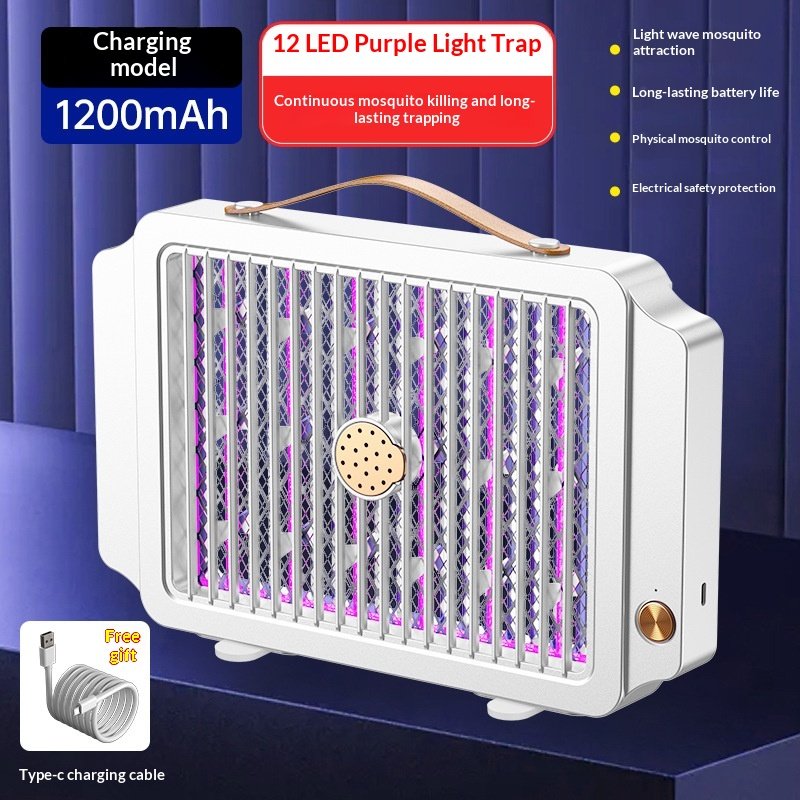
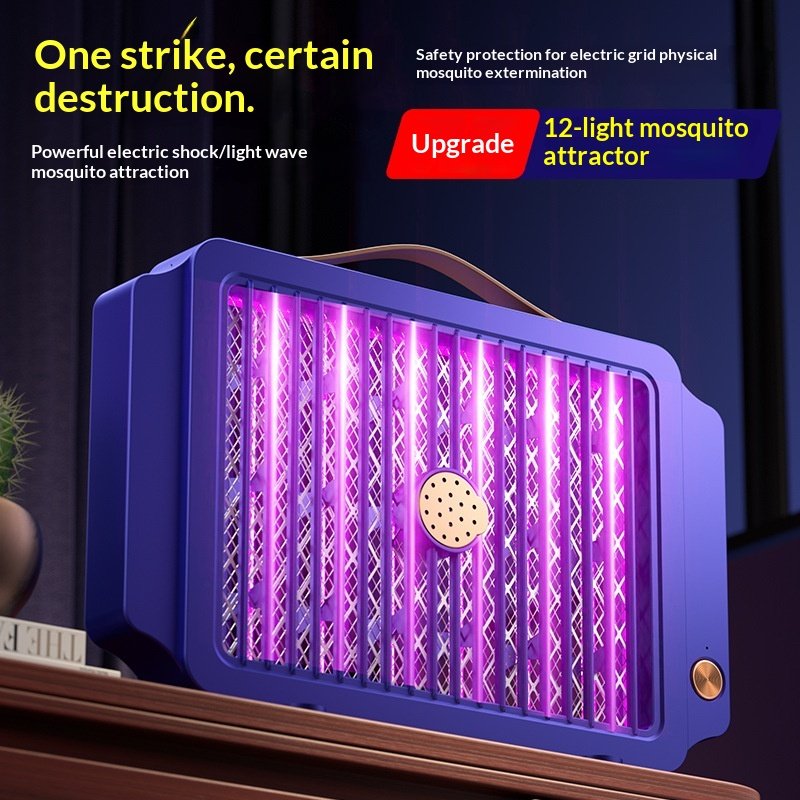
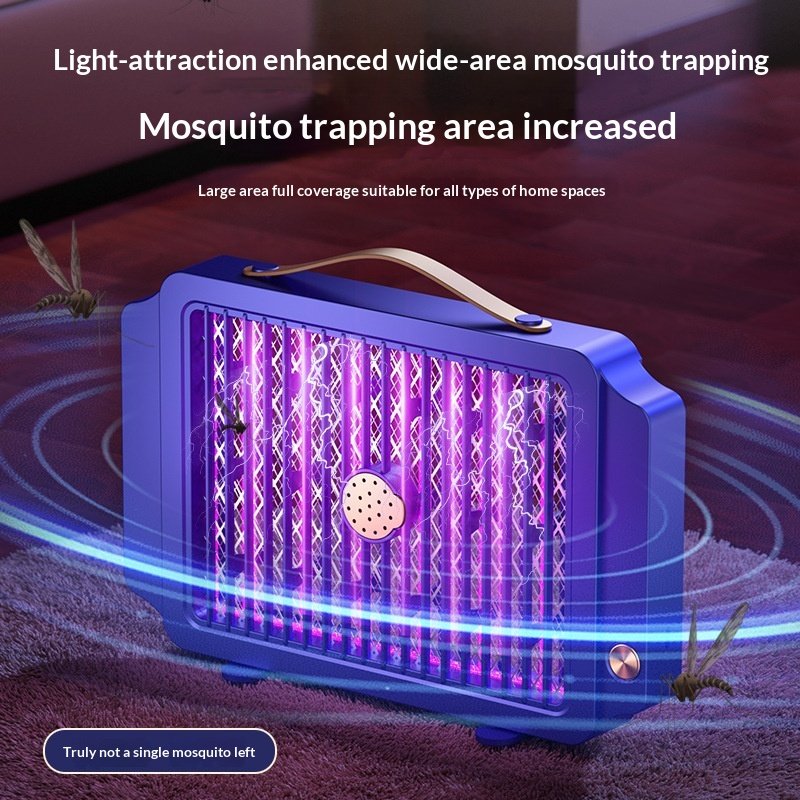
Here is the honest version. UV light traps attract and catch a range of flying insects, and they do it silently, without sprays or chemicals — which is exactly what you want running quietly through the night. But mosquitoes specifically are drawn more to carbon dioxide and body heat than to UV light, so a light trap is best understood as one helpful layer, not a force field. It works best in a dark, enclosed room where the lamp is one of the few glowing things competing for an insect’s attention — which is precisely the setting a bedroom trap is designed for.
What does not help
Swatting in the dark, which you will lose. Leaving a bright overhead light on “to attract it”, when you are the stronger attractant. And most wearable or app-based “ultrasonic” repellents, which independent reviewers have repeatedly found little credible evidence for.
Why “silent” matters more than you think
Most bedroom mosquito solutions fail on one of two counts: they smell, or they make noise. A spray you have to breathe all night in an enclosed room is unpleasant; a zapper that cracks every few minutes wakes you as surely as the mosquito would. The entire appeal of a silent, chemical-free trap is that you can switch it on, forget it, and let it work while you sleep. In a bedroom, quiet is not a nice-to-have — it is the whole point.
Three things people get wrong
“If it kills mosquitoes, it should clear the room instantly”
No device clears a room instantly, because you keep producing the carbon dioxide that draws them in. A trap lowers the population over hours and successive nights; it is a steady drip, not a switch.
“Sprays are the only thing that really works”
Sprays do work, but many people would rather not breathe them all night in an enclosed bedroom. A silent, chemical-free trap exists precisely for people who want something they can leave running while they sleep.
“Brighter is better”
For a bedroom trap, darker surroundings are better, not brighter. The lamp works by being one of the few things glowing in a dark room. Leave other lights on and you dilute the effect.
What to expect over the first few nights
Be realistic. On the first night you may still hear one, because a trap thins a population rather than sealing the room. Over a week, paired with the basics — a fan running, standing water tipped out, the door kept shut — the room tends to settle, and the 3am whine becomes the exception rather than the rule. Treat the trap as one dependable layer in a calmer bedroom, not the entire defence.
If a restful bedroom is the real goal, the same layered thinking runs through our other guides — from air purifiers for Gulf homes to the small annoyances we cover on the Learn hub.
Submit your story
I would like to hear what works in your bedroom. A fan position that makes a real difference? A window-screen fix for an awkward frame? Or a routine that finally got you a full night’s sleep in mosquito season? Send it through our contact page. I read everything, and readers’ practical tips are often better than mine.
How this article was created
I wrote this from experience and from public-health guidance rather than invented figures. The points about mosquitoes locating people mainly by carbon dioxide, body heat and skin odour, and about the core defences of removing standing water, using screens and sleeping under nets, reflect long-standing guidance from bodies including the World Health Organization and the US Centers for Disease Control and Prevention. I have deliberately not claimed a specific “kill rate” for any device, because effectiveness varies with the room, the species and the setup, and I could not source an honest single figure. Where UV traps are concerned, I have described them as one useful layer rather than a cure. If you believe I have got something wrong, please tell me and I will correct it.