Polarized vs Photochromic Cycling Glasses: Which One Do You Need?
Polarized cycling glasses and photochromic ones solve different problems. Here is how they differ and how to choose for your rides.
 By Ahamed Khan
In this guide20
- 01What polarized lenses do
- 02What photochromic lenses do
- 03Which should you pick?
- 04The frame matters
- 05Fit and comfort checks
- 06Care
- 07Matching lenses to the way you ride
- 08Seeing the road surface
- 09Fit with helmets and hair
- 10Fog, sweat and airflow
- 11Prescription needs
- 12Protecting the lenses
- 13Beyond cycling
- 14Choosing a size and shape
- 15Day and night riding
- 16A simple checklist
- 17The bottom line
- 18Submit Your Story
- 19How This Article Was Created
- 20Frequently Asked Questions
Good cycling glasses do more than look the part. They keep wind, grit and insects out of your eyes, and the right lens makes the road easier to read. The choice that confuses most people is polarized versus photochromic, so let us sort that out.
What polarized lenses do
Polarized lenses cut glare, the harsh reflection you get from wet roads, car bonnets and water. On bright, sunny rides that can make the road surface and edges easier to see. They are a strong choice for open roads and rides near water.
One thing to know: polarized lenses can make some screens, like a bike computer, look dim or patterned at certain angles. Try your device before you commit if you rely on one.
What photochromic lenses do
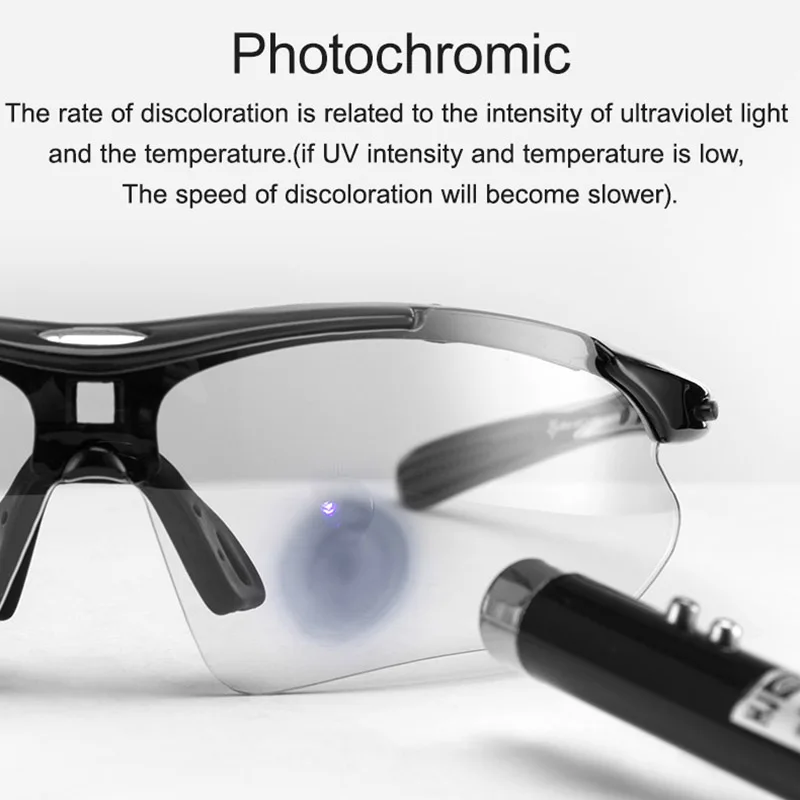
Photochromic lenses change tint as the light changes, getting darker in bright light and lighter in shade. They suit rides that move between open roads and tree cover, or that start in the morning and end later in the day. You carry one pair rather than swapping lenses.
They do not change instantly, and they react to UV light, so the effect can be weaker behind a car windscreen. They are a convenience choice, not a magic one.
Which should you pick?
If you ride mostly in bright conditions and glare bothers you, polarized is the straightforward pick. If your rides cover mixed light, photochromic saves you carrying a spare. The glasses we list come in both lens types, so you can choose without changing frame.
The frame matters
Look at weight, fit and coverage. The frame on our pair is acetate and weighs about 29 g, which is light enough that you stop noticing it. Lenses are polycarbonate, a common choice for sports eyewear because it is light and resistant to impact.
The lens is about 7.5 cm wide and 5 cm high. That gives decent coverage, but fit is personal, so think about your face shape and whether you wear a helmet. The arms should sit comfortably under helmet straps.
Fit and comfort checks
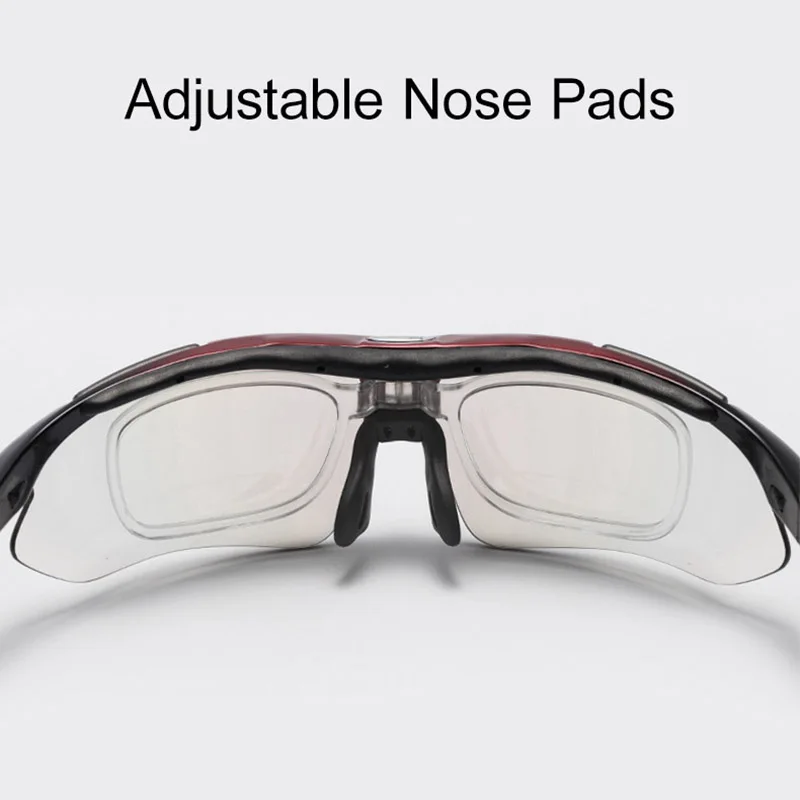
Glasses should sit firmly without pinching, and not slide down your nose when you look at the road. If you sweat heavily, soft nose pads help. Check that nothing sits in your line of sight when you are in a low position on the bars.
Care
Rinse grit off with water before wiping, as dry wiping can scratch lenses. Use a microfibre cloth, and keep the glasses in a case or pouch so they are not crushed in a bag. If you track your rides, our Fitness Trackers and Smartwatches in the Gulf: A 2026 Buying Guide guide is a useful read.
Matching lenses to the way you ride
Think about when and where you ride. Early-morning commuters meet low sun and changing light as buildings and trees pass by. Weekend road riders usually have bright conditions for long stretches. Gravel and trail riders move between open sky and shade quickly.
For long open stretches, polarized lenses are the simple answer. For changeable routes, photochromic lenses save you swapping glasses. If you ride both kinds of route, think about which one you do most and choose for that.
Seeing the road surface
Glare can hide the things you most want to see, like wet patches, loose gravel or a pothole with a puddle in it. Polarized lenses help by cutting reflected light, so the road surface looks clearer. If you often ride on wet roads, this is a meaningful benefit. Photochromic lenses do not remove glare in the same way, but they reduce overall brightness when the sun is strong.
Fit with helmets and hair
A helmet, glasses and hair all compete for the same space. Try the glasses with your helmet on, and check that the arms slide in under the straps without pressure. The frame should not push against your temples. Look through the lens at different head angles, including the low, forward position you use on the bars, to make sure the frame is not in the way.
Fog, sweat and airflow
Lenses fog when warm, damp air meets a cooler surface. Frames that sit slightly away from the face allow air to flow and reduce the problem. If you ride hard in cool weather, you may find that you need to push the glasses up a little at stops to clear them.
Prescription needs
If you wear prescription lenses, check whether a sports frame can take an insert. Some riders use contact lenses with sunglasses, while others use a frame designed for inserts. Check the details with your optician before ordering any glasses for a prescription. Do not assume a standard sports frame can be fitted with prescription lenses.
Protecting the lenses
Scratches build up fast when lenses are left loose in a pocket or a bag. Keep the glasses in a pouch or case, rinse off dust before wiping, and use a clean microfibre cloth. Avoid cleaning with rough fabric or paper towels. If you leave them on a car seat in direct sun, heat can warp some frames, so keep them out of hot cars.
Beyond cycling
Many riders wear the same glasses for running, walking and driving. Polarized lenses are popular for driving because of the reduced glare, though some drivers find them odd with certain dashboard displays. Lightweight frames are a plus for any activity where you want the glasses to disappear on your face.
Choosing a size and shape
Frames come in different shapes, from narrow wraps to larger shields. Larger lenses block more wind and glare, but they can feel heavy. A narrow frame is lighter and gives a view of your surroundings. Think about the faces you know: a smaller face often suits a smaller frame, and a longer face may need more height to cover the eyes properly.
Day and night riding
Photochromic lenses are not a replacement for clear lenses at night. If you ride in the dark, use a clear lens made for night riding, and keep tinted glasses for daylight. Dusk is a tricky time, so carry a spare pair if you ride at the edges of the day.
A simple checklist
Before you buy, check the lens type, the frame weight, the lens size, how the glasses sit with your helmet, and how they feel on your nose and ears. Those five points tell you more than a long feature list. If they all look right, you have a good candidate.
The bottom line
Choose polarized for glare, photochromic for changing light, and make sure the frame is light and comfortable. The Polarized and Photochromic Cycling Glasses offer both lens options in a lightweight frame, and ship from a US warehouse to US addresses. Browse more in Fitness & Outdoors or our US store.
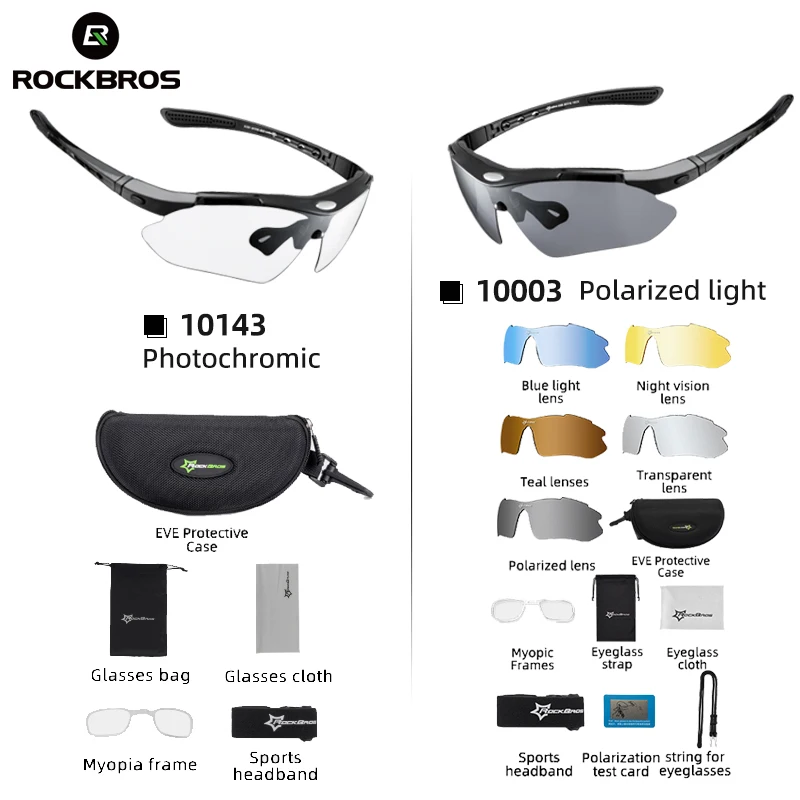
Polarized and Photochromic Cycling Glasses, Lightweight Frame
Polarized cycling glasses with lightweight acetate frames and polycarbonate lenses, also in photochromic lenses that adapt to changing light. Ships from a US warehouse to US addresses. Card payments via secure checkout.
Price range: $29.99 through $33.99
View productSubmit Your Story
Polarized or photochromic: which did you choose, and did it change how you ride? Share it through our contact page and we may feature it in a future article.
How This Article Was Created
This guide was written from the product details on our listing and from widely known buying considerations for this kind of item. We do not quote statistics we cannot source, and we describe only features shown on the product page, so check the page for current options, sizes and prices. Items in this article ship from a US warehouse to US addresses only.
Frequently Asked Questions
What is the difference between polarized and photochromic cycling glasses?
Polarized lenses cut glare from roads and water at a fixed tint, while photochromic lenses darken and lighten automatically as light changes.
Which is better for changing light conditions?
Photochromic lenses are better when you ride through shade, tunnels and bright sun on one ride, since they adapt. Polarized is best for steady bright glare.
Can you get polarized and photochromic in one lens?
Yes, some premium lenses combine both, but they cost more. For most riders a single well-chosen technology covers their typical conditions.