I bought my first aroma diffuser because a room in my flat always smelled faintly of nothing in particular — that closed-up, slightly stale quality you get when air conditioning runs all day and windows stay shut. A candle masked it for an hour. The diffuser actually changed how the room felt.
Since then I have used several, broken one, and learned which details matter and which are marketing. Here is what I wish I had known first.
What a diffuser actually does
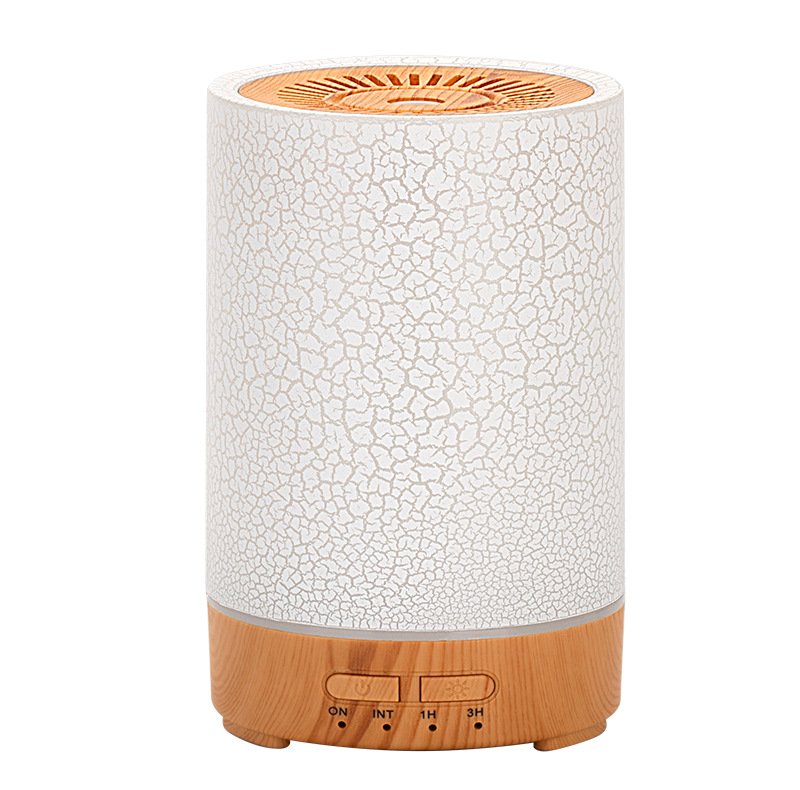
An ultrasonic diffuser vibrates a small plate roughly two million times a second. That vibration breaks water into a cool mist and carries whatever oil you added into the air with it.
The important word is cool. Nothing is heated, nothing is burned. That matters because heat changes the chemistry of essential oils, and it is why a diffuser smells different from a candle carrying the same scent.
Diffuser, humidifier, or both?
People use these words interchangeably and then feel misled. The distinction is simple.
A diffuser
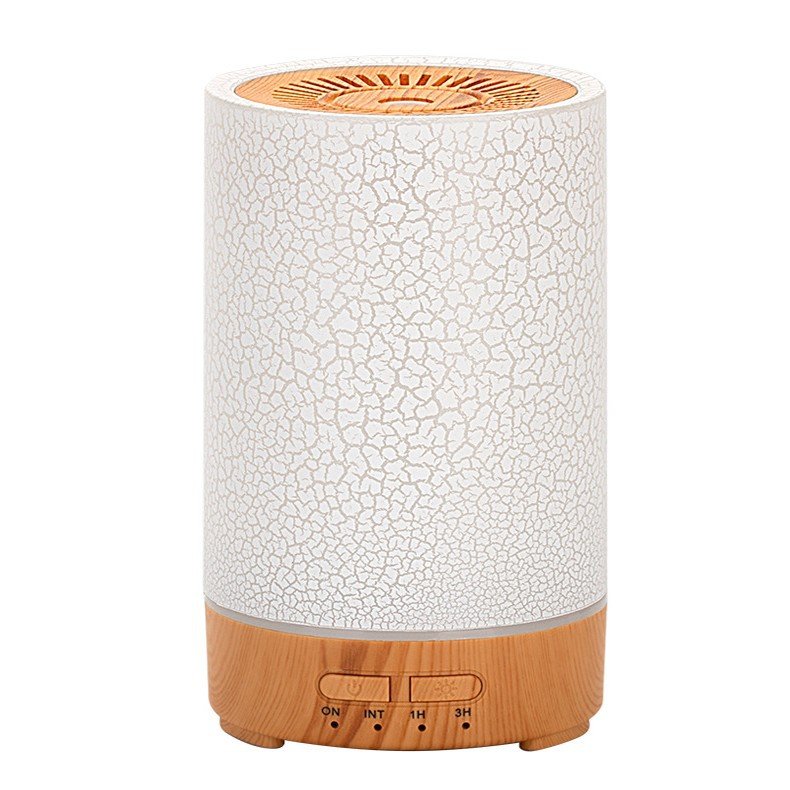
Small tank, usually 100–300ml. Its job is scent. It adds a little moisture as a side effect, but not enough to change a room’s humidity meaningfully.
A humidifier
Much larger tank, often several litres, and no oil tray. Its job is moisture, and most manufacturers warn against adding oils because they degrade the plastic.
The overlap
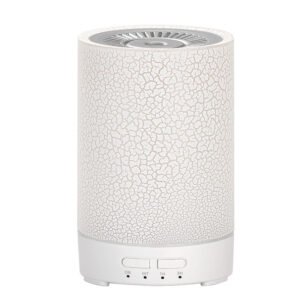
A 150ml unit like the one I use is firmly a diffuser. It will take the edge off dry air near your desk or bedside. It will not fix a dry apartment. If you want that, buy a humidifier and run the diffuser separately.
How much output do you actually need?
This is where most buying advice goes wrong. Bigger is not better — it is just louder and emptier sooner.
- Bedside or desk: 100–200ml is plenty. At roughly 25ml an hour, a 150ml tank runs about six hours — a night’s sleep or a working day.
- Living room: 300ml and above, or accept refilling.
- Open-plan space: honestly, two small units in different corners work better than one large one. Scent does not travel well around furniture.
Running a large unit in a small bedroom is the most common mistake. The scent becomes overwhelming within twenty minutes and you end up switching it off.
Getting it right, step by step
1. Use the right water
Tap water in most of the Gulf is hard. Minerals build up on the ultrasonic plate and output drops within weeks. Filtered or distilled water avoids this entirely, and it is the single change that most extends a diffuser’s life.
2. Add oil sparingly
Three to five drops in a 150ml tank is enough. More does not make it stronger — it makes it oily, and it coats the plate.
3. Place it high, not low
Mist falls. On the floor it settles before it disperses. On a shelf or bedside table it spreads across the room properly.
4. Empty it between uses
Standing water in a warm tank is exactly where bacteria and mould are happy. Tip it out, wipe it dry.
5. Clean the plate weekly
A cotton bud and a little white vinegar removes residue. Two minutes of work restores output that people assume is a broken unit.
What not to do
- Do not use thick carrier oils. Coconut, jojoba and similar will clog the plate. Use water-soluble essential oils only.
- Do not run it dry. Most units cut off automatically, but repeated dry running shortens the plate’s life.
- Do not leave it running all day. Intermittent use smells better because your nose stops registering constant scent within about fifteen minutes.
- Do not put it on wood without a mat. Fine mist settles and marks untreated surfaces over time.
What the symptom tells you
- Weak or no mist — almost always mineral scale on the plate. Clean before assuming failure.
- Mist but no scent — too little oil, or old oil. Citrus oils in particular fade after a year.
- Gurgling — overfilled above the max line.
- Wet patch beneath it — sitting too low, or too close to a wall. Move it up and out.
When to stop troubleshooting
Some situations warrant caution rather than tinkering.
- Anyone in the home has asthma or a respiratory condition. Speak to a doctor before diffusing regularly. Reactions vary considerably between individuals.
- Pets in the room. Several essential oils are toxic to cats and dogs, and cats are particularly sensitive. Check any oil against veterinary guidance first, and always leave a door open so an animal can leave.
- Visible mould inside the tank. Replace it. Cleaning may not reach the internal channels.
- Headache or nausea while it runs. Stop, ventilate, and do not persist with that oil.
I am not a clinician, and this is deliberately general. Anything involving breathing and an existing health condition belongs with your doctor, not a product article.
Three things people get wrong
“More mist means better quality”
Output is a function of the plate and tank, not quality. A cheap unit can produce dense mist and fail in three months. Build, seals and how easy it is to clean matter far more.
“Essential oils purify the air”
They scent the air. Claims about killing airborne pathogens in a room go well beyond what evidence supports for domestic diffuser use. If air quality is your concern, that is a job for ventilation or a HEPA filter.
“Any oil works”
Fragrance oils are synthetic and often contain carriers that clog ultrasonic plates. Pure essential oils, water-soluble, are what these units are designed for.
What to expect over time
In the first week you will probably overdo the oil. Most people do. Within a month you settle at about three drops and wonder why you ever used ten.
If you use filtered water and clean the plate, expect years of use. If you use hard tap water and never clean it, expect output to halve within a couple of months and to assume the unit is faulty — when it is simply limescaled.
The failure mode is almost always neglect, not manufacturing.
Submit your story
I would like to hear what works for you. Which oils hold up in Gulf humidity? Have you found a combination that genuinely helps you sleep? Any diffuser that survived years of hard water?
Send it through our contact page. Reader tips are consistently more practical than anything I would think of alone.
How this article was created
This comes from direct use and from manufacturer specifications for ultrasonic diffusers — tank size, output rate and operating frequency are measurable and stated by makers.
I have deliberately not included health claims, purification statistics or survey figures, because I could not source them from references I trust. The cautions on asthma and pets reflect widely published veterinary and clinical advice to consult a professional; they are signposts to ask someone qualified, not medical guidance in themselves. If anything here is wrong, tell me and I will correct it.