A Few Grams Changed My Coffee More Than a Better Grinder Ever Did
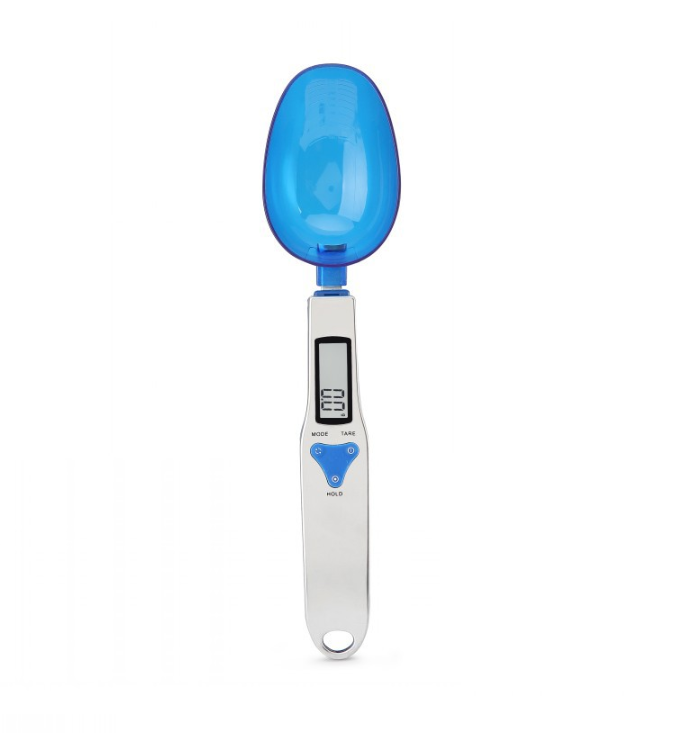
A precision digital spoon scale with detachable heads fixes the small, repeated kitchen measurements that usually get eyeballed.
 By Ahamed Khan
In this guide9
My coffee got noticeably better the day I stopped scooping grounds with “about a spoonful” and started actually weighing them. The difference between a slightly weak pour-over and a genuinely good one turned out to be a few grams, consistently, every single day — not a better bean, not a better grinder, just an accurate measurement I’d been skipping because weighing felt like overkill for a cup of coffee.
That’s the case for a precision digital spoon scale with detachable heads: it’s not about replacing your kitchen scale, it’s about having something fast and spoon-shaped for the small, repeated measurements that don’t justify pulling out a full-size scale every time.
The real problem: small measurements get eyeballed
A full kitchen scale is great for weighing flour by the bowlful. It’s overkill for measuring two grams of yeast, three grams of coffee, or a precise pinch of baking soda — so most people just eyeball those amounts instead, and small inconsistencies creep into recipes that actually depend on precision. Baking in particular punishes this: a cake that rises unevenly or bread that doesn’t quite work often traces back to a “pinch” that wasn’t actually a consistent pinch.
The gap isn’t about not having a scale. It’s about not having one that’s fast enough and the right shape for small quantities, so the full scale stays in the cupboard and the eyeballing continues by default.
What the detachable heads actually solve
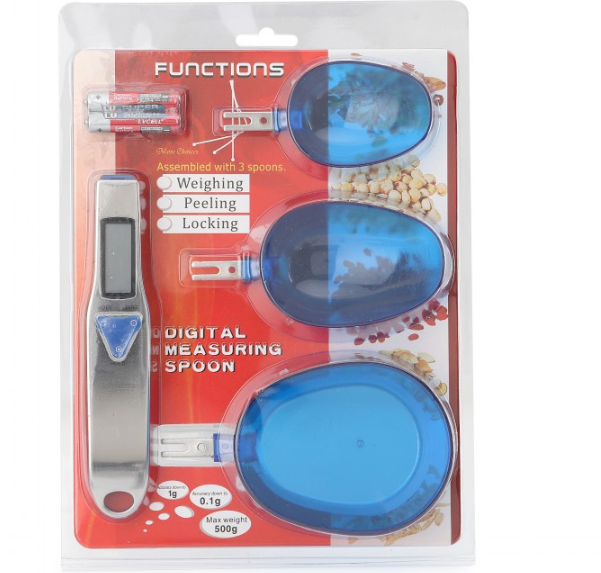
This scale reads to 0.1g and comes with 3 detachable spoon heads of different sizes, so you can switch between a small head for spices and a larger one for coffee or flour without needing three separate tools. The detachable design means you’re not stuck with one scoop size that’s wrong for half of what you measure.
Common mistakes with precision spoon scales
- Not taring (zeroing) between ingredients, which carries over the previous measurement’s weight
- Using the wrong head size for the job — a tiny head for a large quantity means multiple scoops and more room for error
- Letting the scale sit near a stovetop or in humidity, which isn’t what the electronics are built for
- Expecting restaurant-kitchen speed on day one — like any tool, the habit of reaching for it gets faster with repetition
When this isn’t the right tool
If your cooking doesn’t involve small precise quantities — you’re not baking, brewing specialty coffee, or portioning supplements or spices by weight — a standard kitchen scale alone covers what you need, and this is an extra tool solving a problem you don’t have. It’s also not a replacement for a bowl-sized scale when you’re weighing anything beyond its own capacity. See our kitchen utensils picks for the broader range if you need both a precision tool and a full-size scale.
Common myths about precision spoon scales
“0.1g precision is only useful for professionals.” Home baking and home coffee brewing both benefit from gram-level accuracy — the difference between a good and a mediocre result is often smaller than people assume, and a few grams matters more than it sounds like it should.
“More detachable heads is always better.” Three well-chosen sizes cover most home use. What matters is picking the right head for the ingredient in front of you, not owning the most attachments.
“A kitchen scale app on my phone does the same thing.” Phone-based estimation tools aren’t weighing anything — they’re guessing. A real scale with a real sensor is the only way to get an actual gram-level reading, app or no app.
What to expect over months of use
The detachable heads are the part that sees the most physical wear — check that they click in securely each time, since a loose connection throws off the reading. The battery life is generally long under normal home use since the display only draws power while weighing. Keep it dry and store the heads together so none go missing, and it should hold its accuracy well past the first year.
The bottom line
This is a small, inexpensive habit change for anyone whose recipes depend on consistency — coffee, baking, or portioning spices and supplements. A precision spoon scale removes the “close enough” guesswork from the small measurements that quietly make the biggest difference in a finished result.

Precision Digital Spoon Scale, 3 Detachable Heads
A 0.1g precision digital scale with 3 detachable spoon heads for coffee, baking, and small-batch kitchen measurements. 300g and 500g versions.
$21.99
View productSubmit Your Story
Has a precise measurement ever fixed a recipe you’d been getting wrong for ages? I’d love to hear it — share your story through our contact page and we may feature it in a future article.
How This Article Was Created
This article was written from firsthand experience with home coffee brewing and baking, combined with the practical features of the scale we stock. No statistics were invented for this piece, and nothing here is professional culinary advice beyond ordinary home-cooking common sense.
Frequently Asked Questions
Does weighing coffee really make a difference?
Yes. Weighing beans and water gives a consistent ratio every time, which does more for flavor than guessing with scoops, where bean size and grind change the dose.
What coffee-to-water ratio should I start with?
A common starting point is about 1 gram of coffee to 16 grams of water, then adjust stronger or weaker to taste once your measurements are consistent.
Do I need a special scale for coffee?
A small kitchen scale with 0.1 gram resolution and a tare button is ideal. A built-in timer helps for pour-over, but any accurate gram scale works.