Weight Vests: How to Start With 12 lbs, Safely
A 12 lb weight vest adds resistance to walks, runs and bodyweight workouts. Here is how to choose one and ease into it safely.
 By Ahamed Khan
In this guide22
- 01Why 12 pounds
- 02What to look for in a vest
- 03Easing in
- 04Good uses
- 05What to avoid
- 06Posture
- 07Care
- 08Tracking progress
- 09Posture and breathing
- 10Building a simple routine
- 11Exercises that suit a vest
- 12When to avoid it
- 13Visibility and the reflective stripe
- 14Heat and comfort
- 15Looking after the vest
- 16Choosing the right weight for you
- 17Keeping a training log
- 18Listening to your body
- 19The bottom line
- 20Submit Your Story
- 21How This Article Was Created
- 22Frequently Asked Questions
A weight vest is a simple way to make familiar exercise harder. Walking, stairs and bodyweight moves feel different when you carry extra load. A 12 lb weight vest is a sensible starting weight for many people, and it is easy to get wrong if you rush.
This guide covers fit, how to ease in, and what to be careful about.
Why 12 pounds
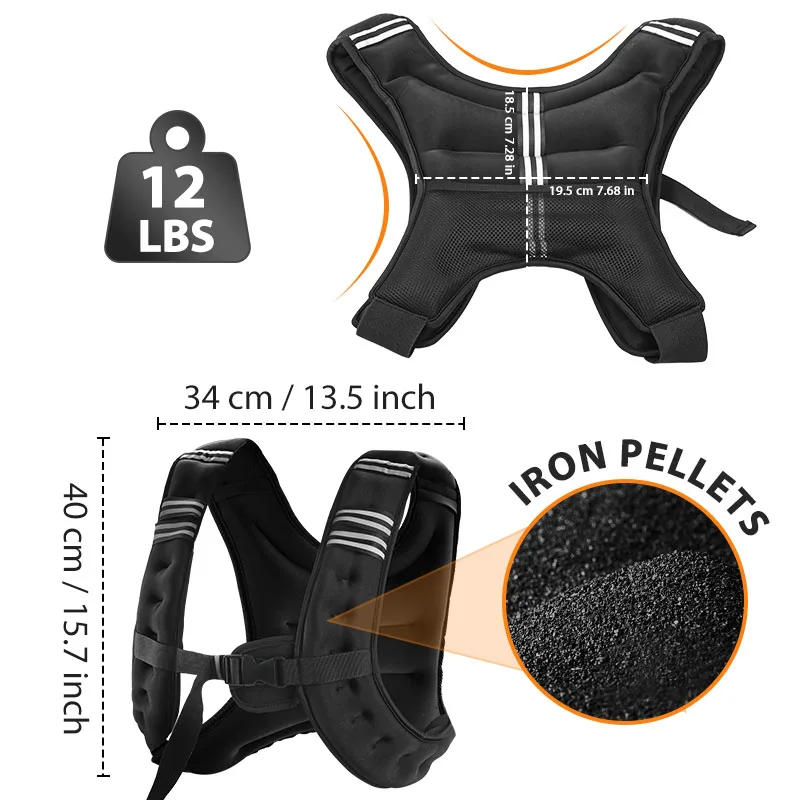
Twelve pounds is about 5.4 kg. It is enough to change how a workout feels, and light enough that most people can wear it for a walk without strain. Starting light lets your joints, back and shoulders adapt before you add more.

What to look for in a vest
Fit is the first test. The vest should sit snugly against your torso without bouncing, and the weight should be balanced front and back. If it shifts as you move, it will rub and tire you out.
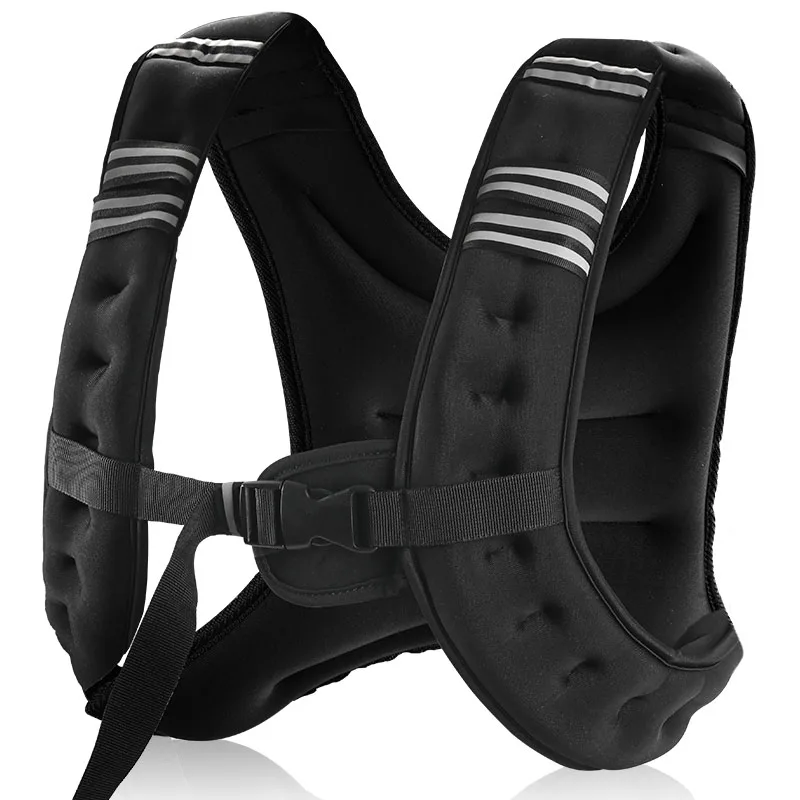
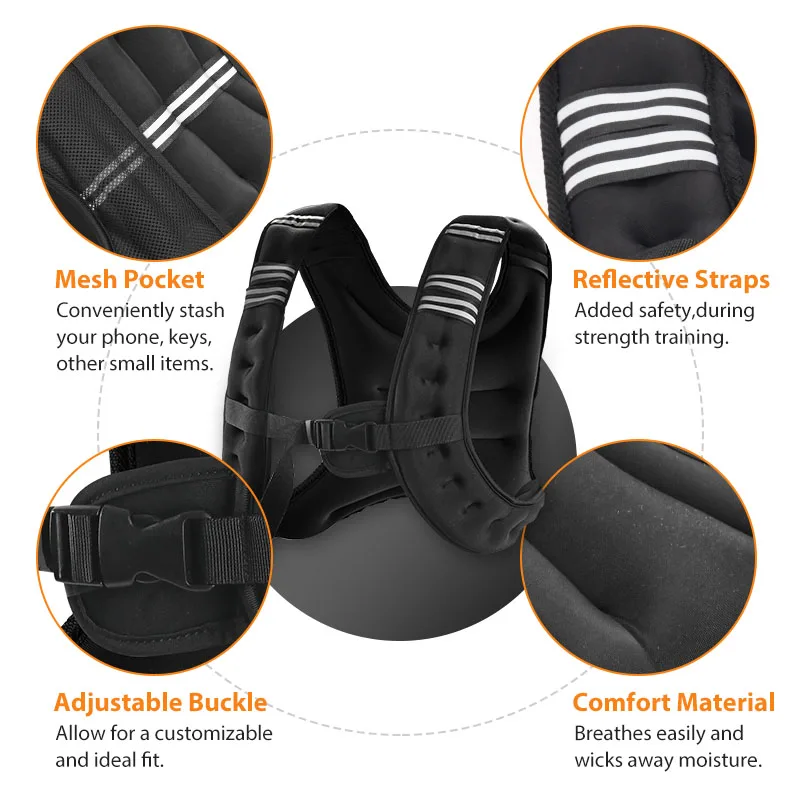
The vest we list is worn on the back and has a reflective stripe. The stripe is useful if you walk or run at dusk or in the early morning, as it helps drivers and cyclists see you.
Easing in
Begin with short sessions. A 20 to 30 minute walk is plenty for the first week. Pay attention to how your back, hips and knees feel the next day. If something hurts, take a break and reduce the time, not the weight on the next try.
After a couple of weeks, you can extend the walks, climb stairs or add bodyweight exercises such as squats and lunges. Increase one thing at a time, so you know what caused any soreness.
Good uses
Walking and hiking are the easiest places to begin. Stairs and incline walking add more challenge. For strength work, bodyweight squats, push-ups and step-ups feel noticeably harder with a vest.
What to avoid
Do not wear a weight vest for hard sprints or high-impact jumping until you are used to it, because the extra load puts more strain on your joints. Do not use it if you have a back, joint or heart condition without checking with a health professional first. And do not add weight quickly. Many injuries come from doing too much too soon.
Posture
Stand tall and keep your shoulders back. If you notice yourself leaning forward or slouching, shorten the session. A vest should make your posture work harder, not worse.
Care
Wipe the vest after use and let it air dry, since sweat can leave odour behind. Store it flat or hanging, not crushed under something heavy.
Tracking progress
A simple log of time, distance and how you felt helps. If you use a fitness tracker, our Adjustable Dumbbells: A 2026 Buying Guide for Home Gyms guide covers what is worth having. For home strength work, check out our US store for other equipment.
Posture and breathing
A weight vest changes how you carry yourself. Stand tall, keep your head level and let your arms swing naturally. Do not let the load pull your shoulders forward. If you notice that you are breathing harder than you expected, slow down and take shorter steps. The aim is to add resistance, not to push yourself into discomfort.
Building a simple routine
A gentle routine for the first month might look like this. Week one: three short walks with the vest. Week two: lengthen two of the walks and add a short stair climb. Week three: add a short bodyweight circuit, such as squats and step-ups. Week four: repeat the best sessions and note how you feel.
Keep rest days. Muscles and joints adapt during recovery, and a vest adds load that your body needs time to handle.
Exercises that suit a vest
Walking, hiking and stair climbing are the natural choices. Bodyweight squats, lunges, push-ups and planks feel harder with extra load. Slow, controlled movements are better than fast ones when you add weight. If a movement makes your back or knees feel uncomfortable, stop and ask for advice.
When to avoid it
Skip the vest when you are tired, unwell or recovering from an injury. Avoid it for jumping and fast running until you have built up your strength slowly. If you have joint, back, heart or breathing concerns, get advice from a health professional before using extra weight.
Visibility and the reflective stripe
Early mornings and evenings are popular times to train, and these are also the times when drivers have the most trouble seeing walkers. The reflective stripe on this vest helps catch headlights, but it works best alongside other visible gear, such as a light or a bright top. Always follow local road safety rules and stay on pavements and paths where possible.
Heat and comfort
A vest adds a layer on your torso, and it can feel warm. Choose breathable clothing underneath, drink water, and pick cooler times of day in hot weather. Make sure straps and fasteners do not rub. If you feel chafing, adjust the fit or add a thin layer under the vest.
Looking after the vest
Wipe it down after sweaty sessions and let it air dry fully before storing it. Check the stitching and fastenings every so often. Store it in a dry place, and keep it away from heat sources.
Choosing the right weight for you
Twelve pounds suits many beginners, but body size and fitness differ. A general approach is to pick a weight you can wear for a brisk walk without losing your posture. If you can do that comfortably for several weeks, you can think about adding more. Many people progress by small steps and keep the same weight for months.
Keeping a training log
Write down the date, the length of your session, what you did and how you felt afterwards. After a month, you can see patterns, such as which days feel best and which exercises leave you sore. A log keeps you honest and makes it easier to adjust.
Listening to your body
Some muscle tiredness is normal after a new type of exercise. Sharp pain, dizziness or breathlessness are not. If anything feels wrong, stop and rest. If symptoms continue, speak to a health professional. A vest is a tool, and the best progress comes from consistency, not from pushing through pain.
The bottom line
Start light, fit it well and add load slowly. The 12 lb Weight Vest with Reflective Stripe is a straightforward starting point for walks, runs and bodyweight sessions, and ships from a US warehouse to US addresses. Browse more in Fitness & Outdoors.
12 lb Weight Vest with Reflective Stripe for Workouts
A 12 lb weight vest with a reflective stripe for strength training, running and cardio, adding resistance to everyday workouts. Ships from a US warehouse to US addresses. Card payments via secure checkout.
$34.99
View productSubmit Your Story
How did you ease into a weight vest, and which workout felt different with it? Share it through our contact page and we may feature it in a future article.
How This Article Was Created
This guide was written from the product details on our listing and from widely known buying considerations for this kind of item. We do not quote statistics we cannot source, and we describe only features shown on the product page, so check the page for current options, sizes and prices. Items in this article ship from a US warehouse to US addresses only.
You might also find our resistance bands guide helpful when planning your next purchase.
Frequently Asked Questions
How much weight should a beginner vest start with?
Begin with about 5 to 10 percent of your body weight, often a 10 to 12 lb vest, and add plates only once your form stays solid through a full workout.
Can you wear a weighted vest for walking and running?
Yes. A snug adjustable vest suits walking, rucking and light runs; keep the load lower for high-impact running to protect your knees and hips.
Are weighted vests machine washable?
Most are not. Remove the weights, spot-clean or hand-wash the shell, and let it air-dry fully before loading the plates back in.