I did the maths once, in a fit of guilt, on how much food my household throws away. I stopped adding it up halfway through because it was genuinely depressing: the half-used block of cheese gone hard, the mince that greyed before I got to it, the bag of coriander turned to slime, the bulk-bought chicken freezer-burned into hockey pucks. None of it was dramatic on its own. Added up over a year, it was a small fortune quietly going in the bin.
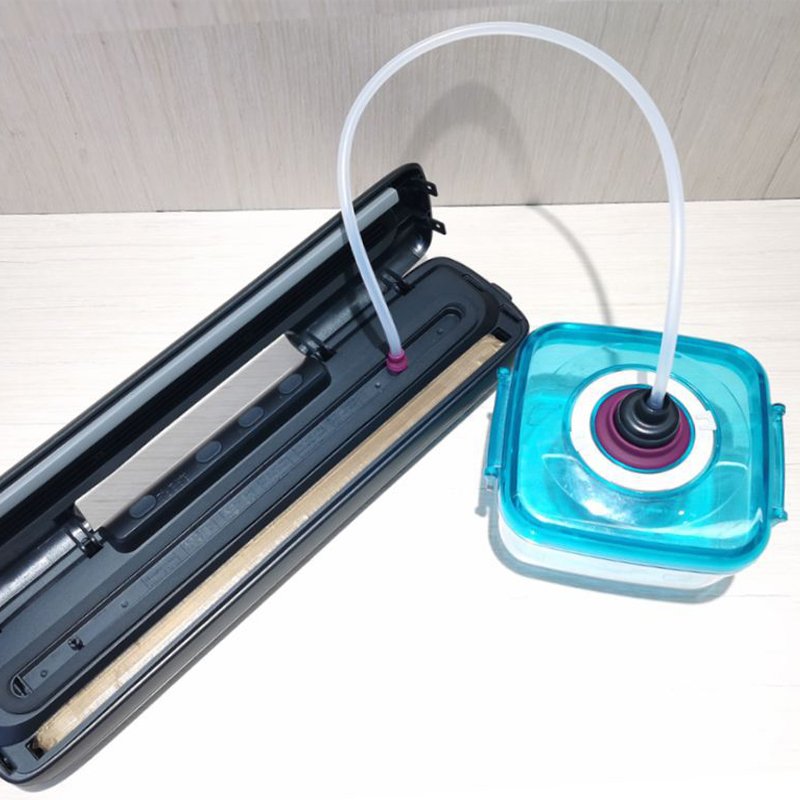
A vacuum sealer was the thing that finally put a dent in that. It’s not glamorous and it won’t cook for you, but it attacks the root cause of most food waste — air — and in doing so it stretches how long everything lasts by a surprising margin. This is a guide to what a vacuum sealer actually does, who benefits most, and how to use one well, so you can decide whether it earns a place in your kitchen.
Why food goes off — and how sealing helps
Most of what ruins food is exposure to air. Oxygen lets bacteria and mould grow, dries out cut surfaces, turns fats rancid, and — in the freezer — causes freezer burn, that greyed, dried-out damage on unwrapped meat. A vacuum sealer works by removing the air around the food and sealing it into an airtight bag. Take the air away, and you slow down every one of those processes at once.
The practical result is that vacuum-sealed food keeps several times longer than the same food in a loose bag or a half-covered container. Meat that might last a couple of days in the fridge keeps much longer sealed; in the freezer, it stays good for months without freezer burn. Cheese, nuts, coffee and dry goods stay fresh instead of drying out or going stale. It doesn’t make food immortal, but it buys you a lot more time to actually use what you bought.
Who benefits most
- Bulk shoppers. If you buy large packs to save money, sealing lets you split and store them so they last — otherwise the savings rot in the fridge.
- Batch cookers. Cook once, portion, seal and freeze meals for busy weeknights.
- Anyone who hates waste. The single biggest win is simply throwing away far less food.
- Home sous-vide cooks. Airtight bags are exactly what sous-vide cooking requires.
How to use one well
Portion before you seal
The trick that makes a sealer genuinely useful is portioning. Splitting a big pack of chicken or mince into meal-sized amounts and sealing each one means you defrost only what you need, when you need it — no thawing a giant block to use a third of it. Seal in the portions your household actually cooks with.
Leave enough bag and keep the seal clean
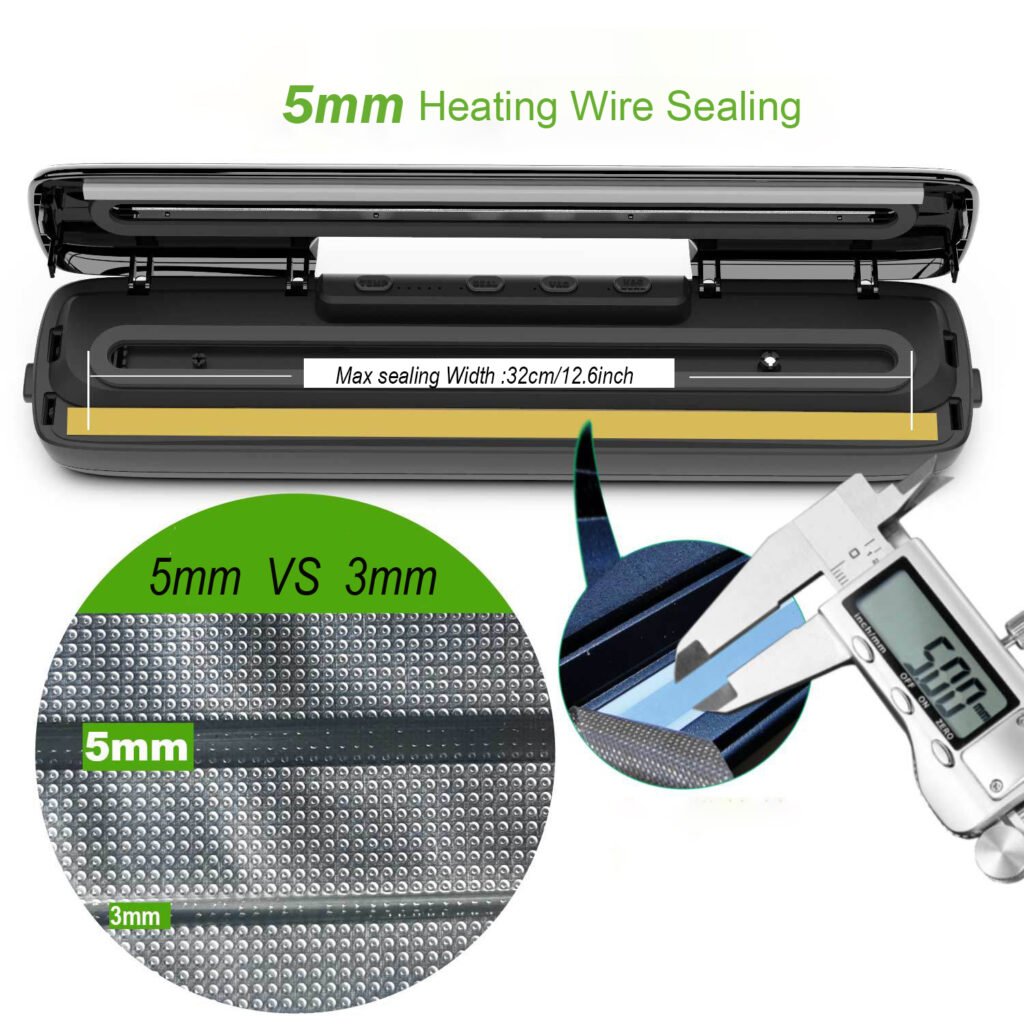
Give each bag enough length above the food so the sealing strip has clean, dry material to grip — sealing over a crease or a smear of juice is the usual reason a seal fails. Wipe the inside top of the bag clean before sealing, and keep the machine’s sealing strip free of crumbs and debris. A clean seal is a reliable seal.
Handle wet and delicate foods with care
Very wet or liquid-heavy foods can get pulled into the machine during the vacuum stage. Freeze soups and marinades briefly until slushy before sealing, or leave a little extra room and seal with a lighter touch. For soft items like berries or fresh bread that a full vacuum would crush, seal gently so you don’t flatten them.
Label everything
Sealed, frozen food all starts to look the same after a month. Write the contents and the date on each bag before it goes in the freezer. It sounds obvious, but a freezer full of unlabelled sealed bags is how good intentions turn into a game of frozen guesswork.
What to watch for
A sealer isn’t a licence to keep food forever — it extends freshness, it doesn’t suspend time, so still use sealed food within sensible periods, especially anything fresh. It also needs bags: it works with standard vacuum-sealer bags and rolls, which are a small ongoing cost worth factoring in. And it’s a countertop machine, so it wants a bit of space and a socket — which brings up one detail that matters more than people expect.
The plug matters — choose the right one
Small kitchen appliances come with a specific plug, and it’s the sort of thing that’s easy to overlook until a box arrives with a plug that doesn’t fit your wall. Across the GCC — Saudi Arabia, the UAE, Qatar, Kuwait, Bahrain and Oman — the standard is the UK three-pin plug. When you buy any electrical appliance, check it comes with the right plug for your sockets so you’re not left hunting for an adapter. Our vacuum sealer is offered with a choice of plug and defaults to UK for exactly this reason; pick the one that matches your home.
Especially worth it in the Gulf
Two things make a sealer particularly useful here. The first is the climate: in a hot country, fresh food has an even shorter margin for error, and anything that keeps meat, fish and produce good for longer directly reduces waste. The second is how people shop — big weekly or monthly stock-ups, often in bulk, often for a large household. A vacuum sealer is what turns a bulk buy from a race against spoilage into a stocked, portioned freezer you draw on for weeks. For anyone feeding a family and shopping in volume, it quietly pays for itself.
Is it worth it?
The honest answer depends on how much food you currently waste. If your fridge routinely empties into the bin, or you buy in bulk and watch half of it spoil, a sealer will pay for itself faster than almost any other kitchen purchase — not in excitement, but in the quiet, cumulative saving of food you’d otherwise have thrown away. It’s not a gadget you’ll show off to guests. It’s one that, a few months in, you’ll wonder how you managed without.
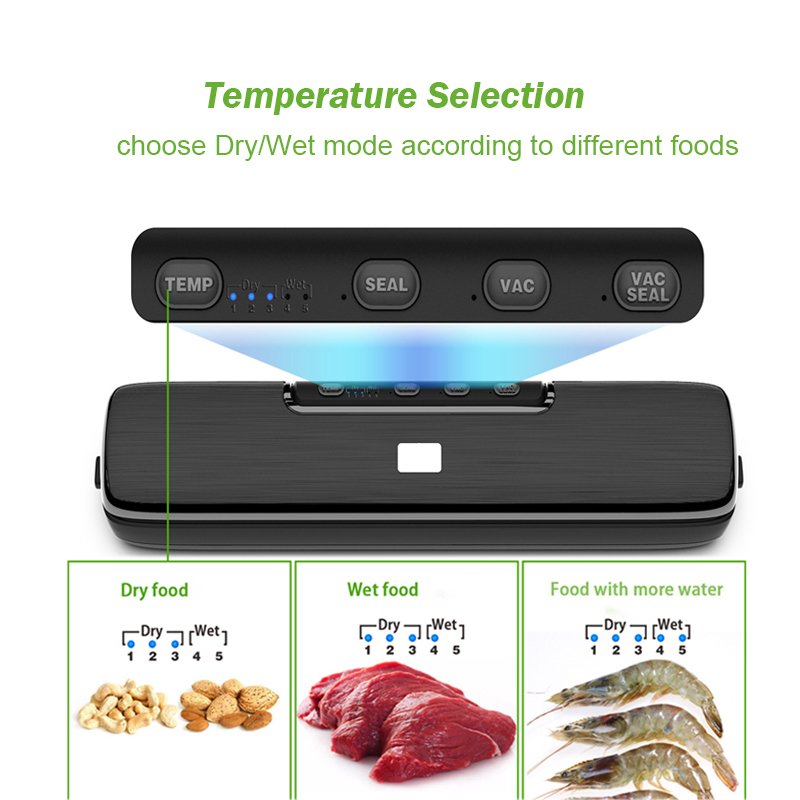
Household Vacuum Sealer
Keeps meat, cheese, leftovers and bulk buys fresh several times longer and cuts food waste. One-touch sealing, choice of plug (UK default). secure checkout across the GCC.
$37.99
Submit Your Story
Have a food-storage method that saved you money, or a batch-cooking system worth sharing? I’d like to hear it — what you seal, how you portion, and any mistake you made early on so others can skip it. Share your story through our contact page and we may feature it in a future article.
How This Article Was Created
This article was written from practical experience storing and freezing food and from the features of the vacuum sealer we stock. No statistics were invented for this piece; the point about air causing spoilage reflects the well-established, everyday basis of how vacuum sealing preserves food. Nothing here is food-safety advice beyond common sense — always follow standard guidance for storing perishable food. Product details such as the plug options describe the item sold on this store.