I put a star projector in my daughter’s room expecting a gimmick that would last a fortnight. Two years later it still goes on every night, and I have since put one in my own room. What surprised me was not the effect — it was how much the room itself determines whether it works at all.
Most disappointed reviews are not about faulty products. They are about ceilings.
How these actually work
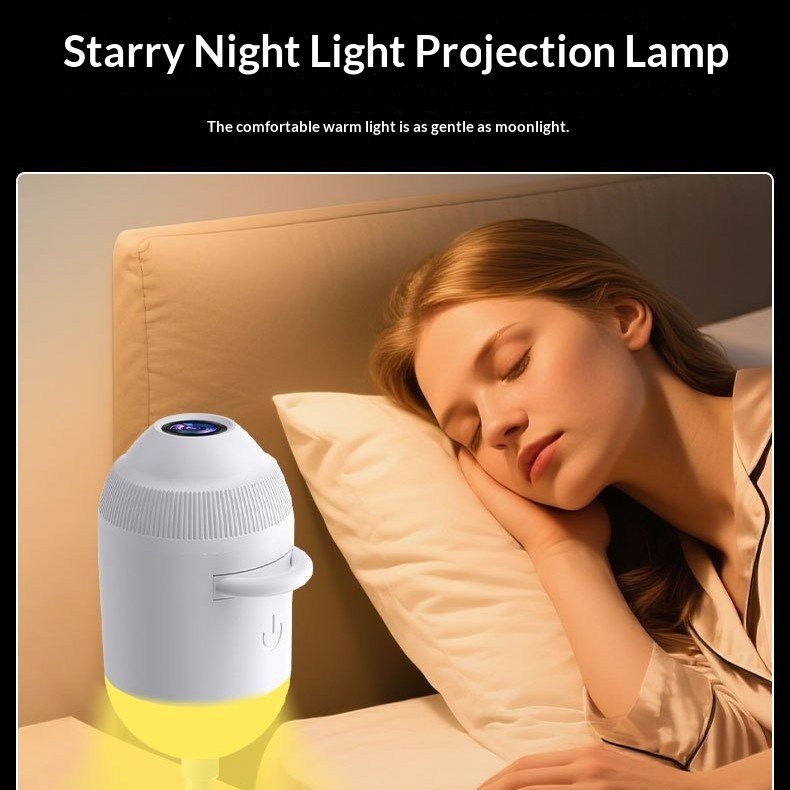
A star projector throws patterned light upward. Some use LEDs through a patterned lens; more elaborate models add a laser layer for sharper points and a rotating motor for drift.
Everything about the result depends on what the light lands on. The projector is only half the system — your ceiling is the other half, and nobody mentions that when selling one.

What makes a room suitable
Excellent
A flat, plain, pale ceiling in a room that gets genuinely dark. Standard painted plaster is close to ideal.
Workable
Light-coloured ceilings with mild texture. The pattern softens but still reads.
Poor
Dark ceilings, heavy texture, exposed beams, or a room with significant light spill from a window or hallway. The effect washes out and you will feel let down.
If your ceiling falls in the last group, a projector is the wrong purchase. Fairy lights or an LED strip will do more for the same money.
Getting the best from one
1. Kill the ambient light
The main light off is obvious. The one people forget is the gap under the door and the standby LED on a television. Both flatten contrast more than you would expect.
2. Angle it, do not centre it
Placing a projector directly beneath the ceiling centre creates a bright hotspot. Position it to one side and angle across — coverage becomes far more even.
3. Put it at height
Floor level means furniture blocks the spread. A shelf or dresser gives a clean throw.
4. Use more than one for a large room
This is why multi-packs exist. Two smaller units in opposite corners cover a big ceiling far better than one unit trying to reach everything.
5. Match brightness to purpose
For sleep, dimmer is better. Bright, fast-moving projections are stimulating — fine for a party, counterproductive at bedtime.
What not to do
- Do not point it at a wall and expect the same effect. Walls have furniture, pictures and shadows. Ceilings are the blank canvas.
- Do not leave it running all night for a child. Moving light through the night can disturb sleep. Use it while settling, then switch it off.
- Do not buy on projection-count claims. “10,000 stars” means nothing without knowing ceiling size and darkness.
What the symptom tells you
- Faint, washed-out pattern — ambient light, almost always. Check the door gap and window.
- Sharp in the centre, nothing at the edges — too close to the ceiling. Move it lower or further away.
- Blotchy coverage — textured ceiling breaking the pattern. Not fixable by the device.
- Pattern visible but dim on one side — angle. Rotate rather than reposition.
A genuine safety note
Two things worth taking seriously rather than glossing over.
- Never look directly into the lens, and teach children the same. This matters especially for models with a laser component — laser light can damage eyes even at consumer power levels.
- Anyone with photosensitive epilepsy should avoid flashing or rapidly moving projections. If that applies to someone in your home, check with their doctor before using one.
These are not disclaimers for the sake of it. Both are worth a moment’s thought before putting one in a child’s room.
Three misconceptions
“More expensive means better projection”
Above the budget tier, extra cost mostly buys remotes, timers, speakers and app control. The optical result is often similar. Pay for the features you will use.
“It will help my child sleep”
It may help them settle, which is not the same thing. Sleep guidance generally favours dark, quiet rooms for actual sleeping. Use it as part of winding down, then turn it off.
“It replaces a night light”
A night light provides steady, low, static illumination for safety. A projector provides moving decorative light. They do different jobs, and a child who needs to see the way to the bathroom needs the former.
What to expect over time
Novelty fades in the first fortnight — that is normal, and not a sign of a bad purchase. What tends to persist is the routine: a room signal that the day is ending.
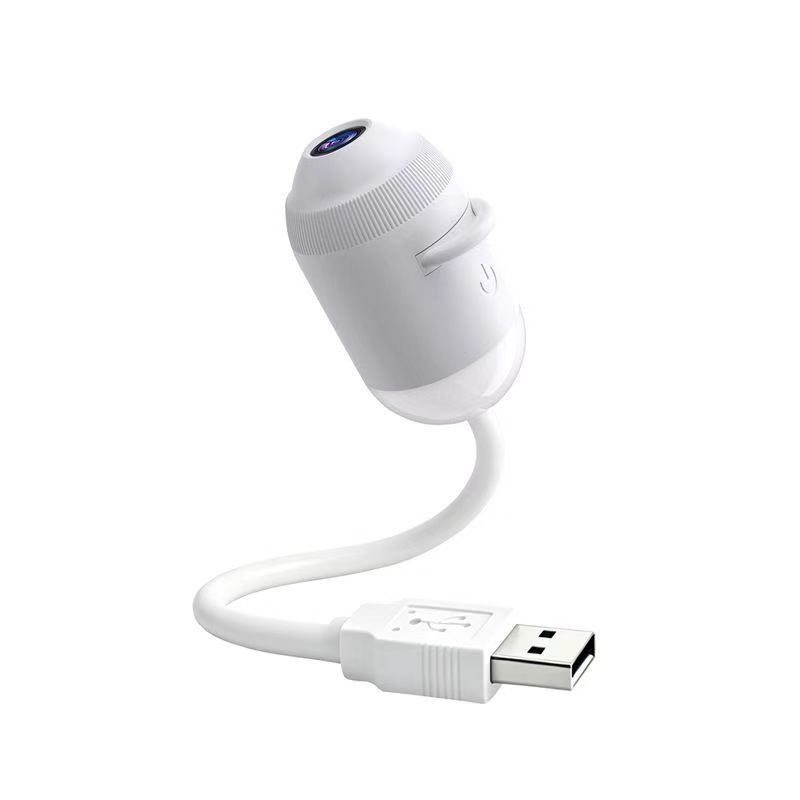
LEDs are rated for tens of thousands of hours, so the light source rarely fails first. Where cheap units do fail it is usually the rotation motor or the USB socket, both from being knocked. Give it a stable spot and it will outlast the interest.
Submit your story
I would like to know what worked in your room. Have you found a placement that solved patchy coverage? Does it genuinely help at bedtime, or just look good? Any experience with textured ceilings worth sharing?
Send it via our contact page.
How this article was created
This is written from using these devices at home and from what is physically verifiable — how projected light behaves against different surfaces, and how ambient light affects contrast.
I have not invented statistics about sleep improvement or star counts. The eye-safety note reflects standard consumer guidance on laser products; the photosensitive epilepsy note reflects long-standing advice regarding flashing light, and it points to a doctor rather than offering an opinion. The sleep comment reflects general public health guidance favouring dark rooms for sleep. If you think anything here is wrong, tell me and I will correct it.