Is RFID-Blocking Worth It? I Watched a Skimmer Read My Card to Find Out
An RFID-blocking card wallet shields contactless cards from skimming attempts, and it costs nothing in convenience to use.
 By Ahamed Khan
In this guide9
I didn’t think much about contactless card skimming until a friend showed me a $30 reader she’d bought online, the same kind of device used to test RFID security. She waved it near my wallet from about four centimetres away and read my card’s details through two layers of fabric and a zip pocket. Nothing happened to my card that day — she was making a point, not stealing anything — but it changed how I think about carrying contactless cards in a crowded place.
That’s the whole reason a zip-around RFID blocking card wallet exists: it’s not about replacing your wallet, it’s about putting a shield between your contactless cards and anyone with a reader close enough to try. Here’s what it actually does, and what it doesn’t.

The real problem: contactless makes skimming physically possible
Every contactless card broadcasts its data over a short radio range when a reader gets close enough — that’s literally how tap-to-pay works at a till. The same radio signal that makes checkout fast also means a reader doesn’t need to touch your card, just get within a few centimetres of it, which is achievable in a crowded train, a queue, or brushing past someone on a street.
In practice, actual card-skimming theft this way is uncommon — banks have fraud detection, transaction limits, and most attempts get caught before real money moves. But “uncommon” isn’t “impossible,” and a lined wallet that blocks the signal entirely costs nothing in convenience. It’s a cheap insurance policy against a real, if rare, risk.

How RFID-blocking actually works
The wallet’s lining contains a thin layer of metal fibre that forms a Faraday cage around your cards — it blocks the radio frequency a contactless reader uses, so the reader simply can’t get a signal through. It’s a passive barrier, not electronics, so there’s nothing to charge or turn on. Zip the wallet shut and the cards inside are shielded until you open it again.
Common mistakes with RFID wallets
- Leaving the wallet unzipped in a pocket — the shielding only works when the case is actually closed
- Assuming every “RFID-blocking” wallet online is genuine — cheap knockoffs sometimes skip the actual lining and just claim it on the label
- Carrying a card loose in a separate pocket “for convenience” and defeating the entire point
- Expecting it to stop all fraud — it only blocks contactless skimming, not a lost card or a compromised online payment
When this isn’t the right fix
If you mostly pay by app or insert/chip rather than tap, RFID blocking matters less, since there’s no contactless signal to intercept in the first place. And if what you actually need is somewhere to carry a passport, boarding pass, and phone together for a trip, a slim card wallet is the wrong size entirely — our travel document organiser guide covers that larger case instead.
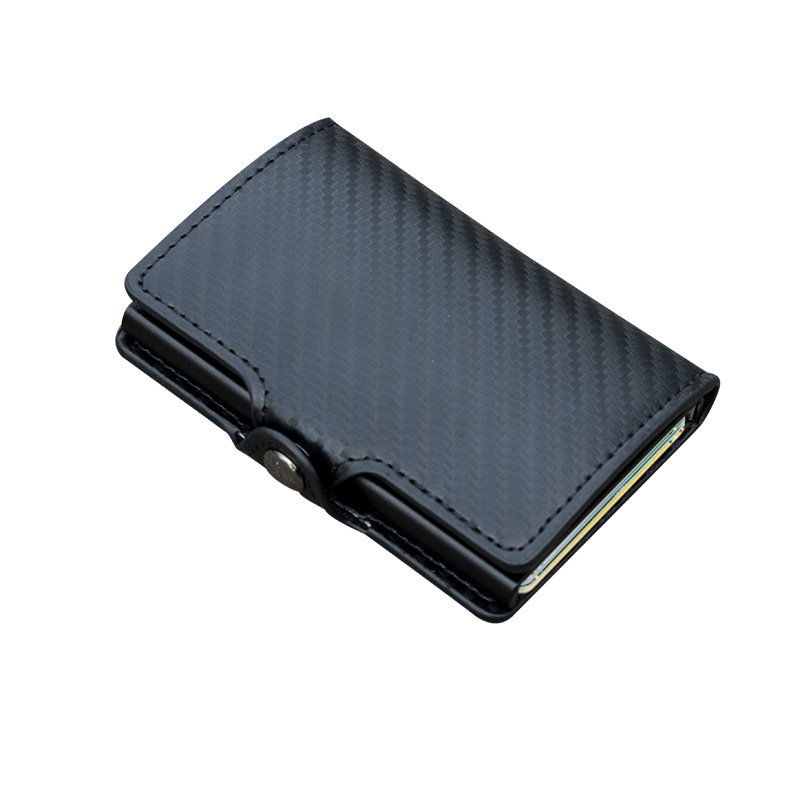
This wallet is sized for cards, cash, and coins only — four colours, slim profile, built for a pocket or small bag, not a full travel kit.
Common myths about RFID blocking
“RFID blocking is a scam, it doesn’t actually do anything.” The physics are real and well understood — metal-fibre lining does block the radio frequency contactless cards use. The scam risk is specific products that claim the lining without actually including it, not the concept itself.
“My bank already protects me, so I don’t need this.” Bank fraud protection is about catching and reversing theft after it happens. A blocking wallet is about preventing the read from happening at all — different layer of the same problem, and they work together rather than replacing each other.
“It’ll block my card from working at checkout too.” No — the lining only blocks signals when the card is inside the closed wallet. Take the card out to tap, or hold the open wallet close enough, and it reads normally. It only shields cards that are zipped away.
What to expect over months of use
The zip and the stitching around the card slots are the parts that see the most wear from daily use. A well-made case holds its shape and keeps the zip running smoothly for a long time; the main thing to watch is overstuffing it with more cards than the slots are sized for, which stresses the seams. Treat it like you would any everyday wallet and it’ll last like one.
The bottom line
This is a small, inexpensive habit change, not a dramatic security upgrade. You zip your cards away, and the risk of a contactless skim — already low — drops to effectively zero. For something this slim and this cheap, that’s a trade worth making, especially if you’re regularly in crowds, on public transport, or traveling somewhere unfamiliar with a card wallet that does the job quietly in the background.

Zip-Around RFID Blocking Card Wallet
A zip-around card wallet with RFID-blocking lining that shields contactless cards from skimming attempts. Four colours.
$24.99
View productSubmit Your Story
Ever had a close call with a card skimmer, or found a trick that helped you feel safer carrying contactless cards? I’d love to hear it — share your story through our contact page and we may feature it in a future article.
How This Article Was Created
This article was written from a firsthand demonstration of contactless card reading, combined with the practical features of the wallet we stock. The section on RFID blocking is deliberately measured: it explains how the shielding works and notes that real-world skimming theft is uncommon, rather than overstating the threat. No statistics were invented for this piece, and nothing here is security advice beyond ordinary common sense about protecting payment cards.
Frequently Asked Questions
Does RFID blocking actually work?
A quality RFID-blocking wallet or sleeve shields contactless cards and passports from close-range scanning. Chip-and-PIN and bank monitoring also protect you.
Is RFID skimming a real risk?
Real-world cases are uncommon since most payments need more than a quick scan, but a blocking wallet is cheap reassurance and keeps cards organized.
What products offer RFID protection?
RFID-blocking wallets, card sleeves and passport holders all work. Look for a clear statement that the lining blocks the frequency cards and passports use.