For years I packed a suitcase the same way everyone does: fold everything into neat layers, close the lid, and feel briefly organised. Then the trip would start, and within two days the neat layers had collapsed into a single archaeological dig. Finding a clean shirt meant excavating through everything on top of it, which un-folded the things I’d just re-folded, and by the end of the trip my case looked like it had been packed by a raccoon.
The thing that fixed this wasn’t discipline or a better folding technique. It was breaking the suitcase into compartments. If you travel more than once or twice a year — and especially if you travel as a family — this is the single cheapest upgrade to how your trips feel. Here’s how packing cubes actually work, how to choose a set, and the mistakes that stop people getting the tidy, findable suitcase they wanted.
What packing cubes actually do
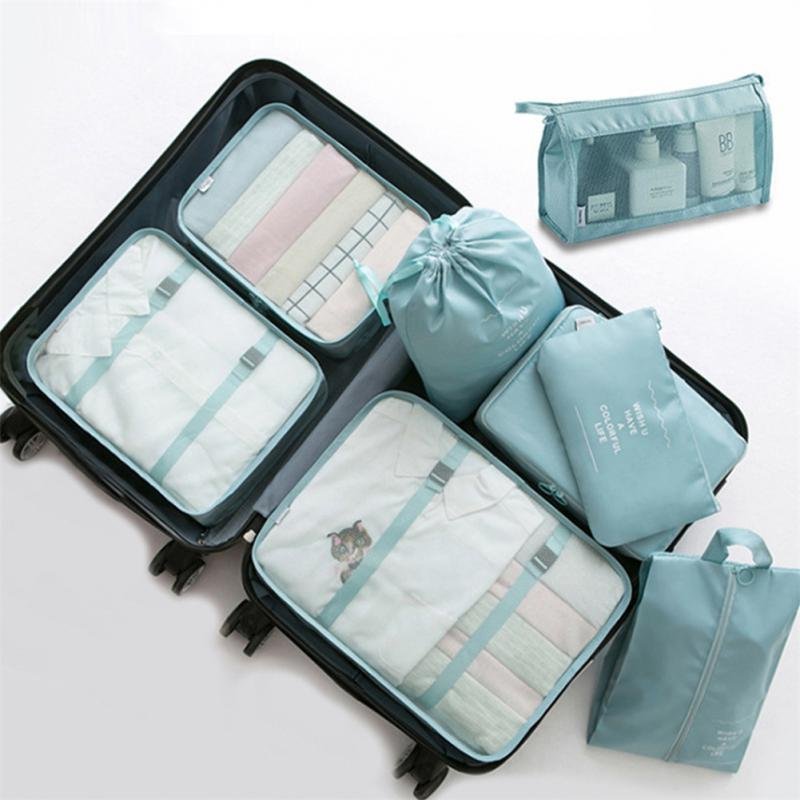
A suitcase is one big open box, and like any open box, whatever you put in it shifts and settles into a pile. Packing cubes solve this by turning that one big space into several small, zipped, labelled spaces. Shirts go in one cube, underwear and socks in another, shoes in their own bag, toiletries in a pouch. Each stays sealed and separate, so opening the case shows you tidy blocks instead of a heap.
The magic isn’t really the cubes themselves — it’s that everything now has a fixed home. You stop searching, because there’s only one place each thing can be. And when you need something, you pull out just that cube, take what you want, and drop it back without disturbing anything else.
The benefits people notice first
- You can find things. This is the big one. No more unpacking half the case to reach the bottom.
- Clothes crease less. Folded flat and zipped snug, garments move around far less than in a loose pile.
- Repacking takes seconds. Cubes lift out and drop back in, so leaving a hotel is a two-minute job instead of a re-fold marathon.
- Sharing a case gets civil. Two people’s cubes sit side by side without merging into one confusing mass.
How to choose a set
Not all packing cube sets are the same, and the differences actually matter for how useful they’ll be.
Match the set size to how you travel
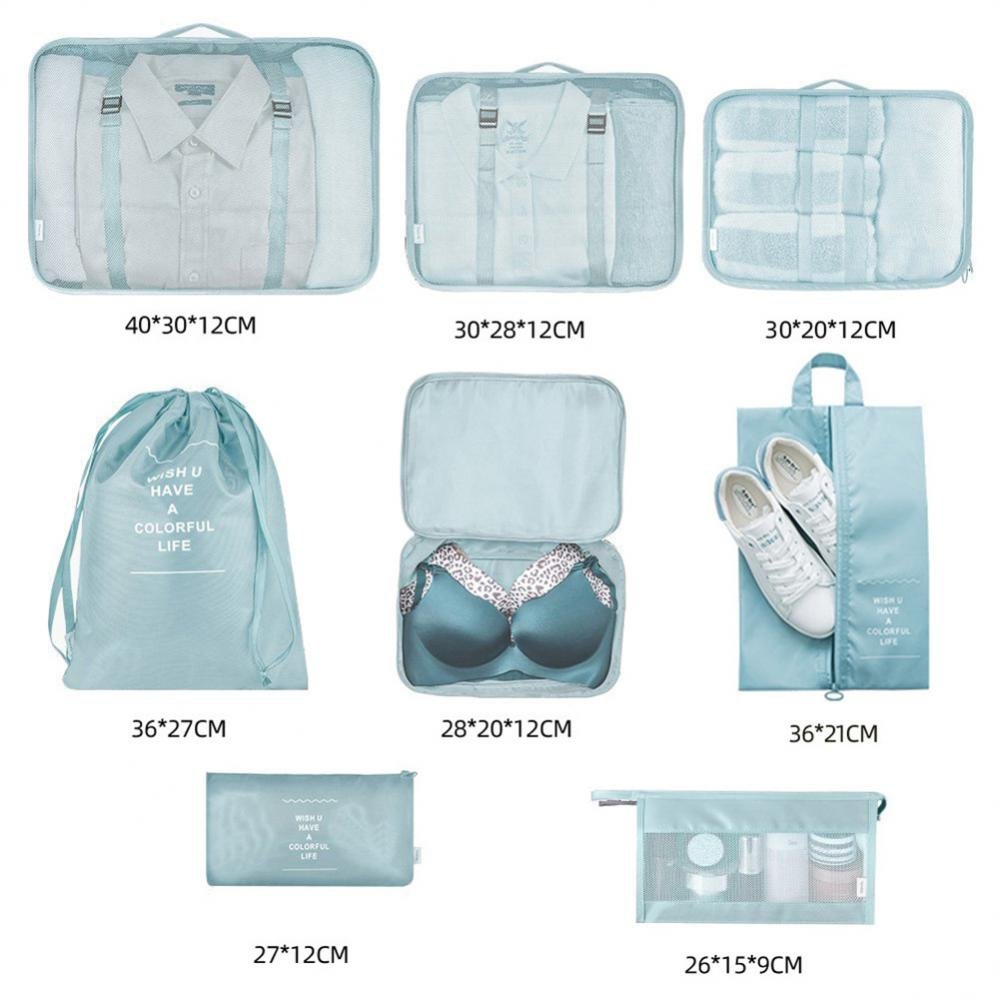
Sets come in different piece counts. A larger packing cubes set — eight pieces or so — gives you multiple clothing cubes plus dedicated shoe, laundry and toiletry bags, which is what you want for a full suitcase, a longer trip, or packing for a family. A smaller six-piece set covers the essentials for a carry-on or a weekend away. Buy for your biggest realistic trip, not your smallest: spare cubes on a light trip cost you nothing, but running out of compartments on a big trip sends you back to piling.
Look for a mix of cube sizes
A good set gives you graduated sizes rather than three identical cubes. Big cubes for bulky folded clothes, medium ones for shirts and trousers, small ones and pouches for underwear, socks and accessories. That range is what lets you sort by category instead of just by “stuff that fits.”
Check the extras
The genuinely useful sets include more than plain cubes: a separate shoe bag so footwear never touches clean clothes, a drawstring laundry bag for dirty items on the way home, and a clear-panel wash bag that keeps liquids together and speeds you through security. Those extras are what turn a set of bags into a complete travel system.
Material and zips
You want lightweight fabric — the set shouldn’t eat into your baggage allowance — with mesh panels for breathability and so you can see what’s inside, and zips that feel solid rather than flimsy. The zip is the part that fails first on cheap cubes, so it’s worth a moment’s attention.
The mistakes people make
Overstuffing the cubes
A packing cube works because it holds a sensible amount, folded flat. Cram it until the zip strains and you lose the flat, tidy stacking that makes the system work — and you stress the zip. Fill cubes comfortably, not to bursting. If everything won’t fit, that’s a signal to pack less, not to force it.
Using them as random bags
The whole point is one category per cube. Throw a mix of random items into each and you’re back to searching — just searching inside smaller bags. Decide what each cube is for (tops, bottoms, underwear, tech) and keep to it. The discipline is tiny and the payoff is that you always know where everything is.
Forgetting the dirty-laundry plan
Clean packing is easy; the trip falls apart on the way home when worn clothes get mixed back in with clean ones. Nominate one cube or the drawstring bag as the laundry bag from day one, and put worn items straight into it. Your clean cubes stay clean, and unpacking at home is just tipping one bag into the wash.
Buying the cheapest set you can find
Rock-bottom cubes tend to have thin fabric and zips that give out mid-trip, which is exactly when you can’t replace them. You don’t need a premium brand, but a well-made set at a sensible price will outlast several throwaway ones. A mid-priced complete set is the sweet spot.
Especially useful for GCC travellers
If you travel from the Gulf for Umrah, Hajj or a family holiday, you’re often packing for several people at once, sometimes into shared cases. That’s exactly the scenario cubes were made for: a colour per person means everyone’s clothes stay separate and identifiable, nobody’s rummaging through someone else’s things, and a group can pack and repack a pile of luggage quickly at each stop. Give each traveller their own colour and the whole trip’s packing becomes something you barely think about.
Keeping them going
Packing cubes ask almost nothing of you, but a couple of habits keep a set working for years. Empty them fully between trips rather than leaving clothes to sit and stretch the fabric. Air them out after a trip — especially the shoe and laundry bags — so nothing stays musty, and wipe the cubes with a damp cloth if they pick up grime, letting them dry before you store them. When empty, they nest flat and take up almost no space in a cupboard until the next trip.
That’s genuinely all there is to it. A good set of cubes is one of those rare purchases that quietly improves every single trip you take afterwards, for a cost most people wouldn’t think twice about. It won’t make your flight shorter — it’ll just mean that from the moment you open your case to the moment you unpack at home, you always know exactly where everything is.
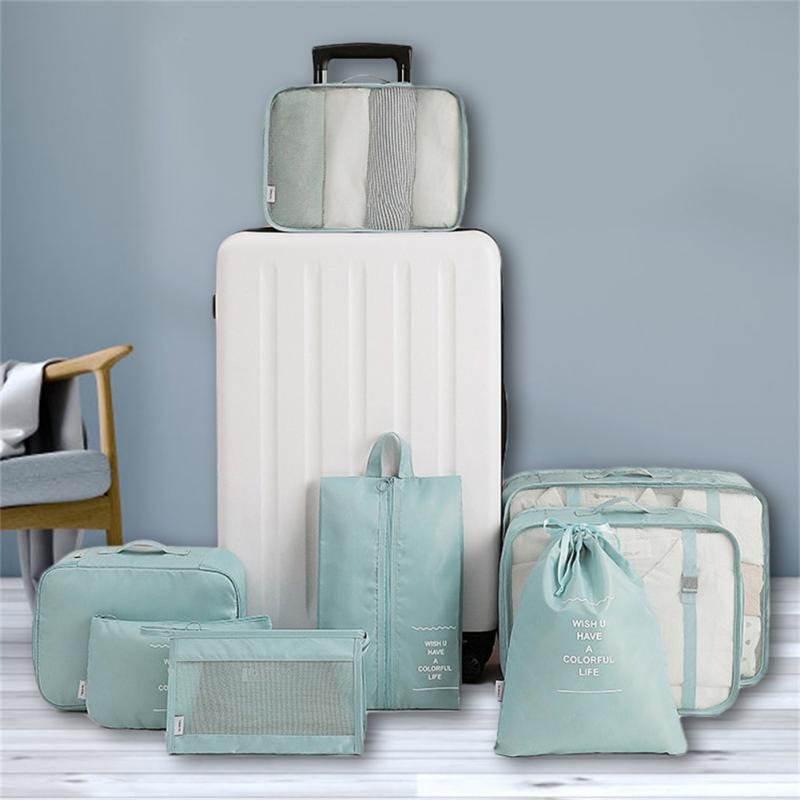
Travel Packing Cubes Set
Clothing cubes plus shoe, laundry and toiletry bags to organise a whole suitcase. Choose 6, 7 or 8 pieces in seven colours. secure checkout across the GCC.
Price range: $13.99 through $19.99
Submit Your Story
Have a packing method that finally made travel easier, or a suitcase disaster worth learning from? I’d like to hear it — how you organise your case, what you’d tell a first-time cube user, and any mistake you made early on so others can skip it. Share your story through our contact page and we may feature it in a future article.
How This Article Was Created
This article was written from personal experience packing for trips and from the practical features of the packing cubes set we stock. No statistics were invented for this piece, and it makes no claims beyond the everyday, verifiable point that dividing a suitcase into compartments keeps items easier to find and clothes less creased. Product details such as the number of pieces and the included bags describe the set sold on this store; contents vary by set size.