Air Mattress With Built-In Pump: How to Choose One
Choosing an air mattress with built-in pump: height, size, weight rating, base grip, setup and care for guests and camping.
 By Ahamed Khan
In this guide14
- 01Why height matters more than most people think
- 02Built-in pump versus a separate pump
- 03Choosing between Queen and Twin
- 04Weight rating and what it tells you
- 05A non-slip base keeps the bed where you put it
- 06Setting it up the right way
- 07Common mistakes with air mattresses
- 08Making the bed feel like a real bed
- 09Preparing the room for a guest
- 10Care, cleaning and storage
- 11Who this kind of bed suits
- 12The bottom line
- 13Submit Your Story
- 14How This Article Was Created
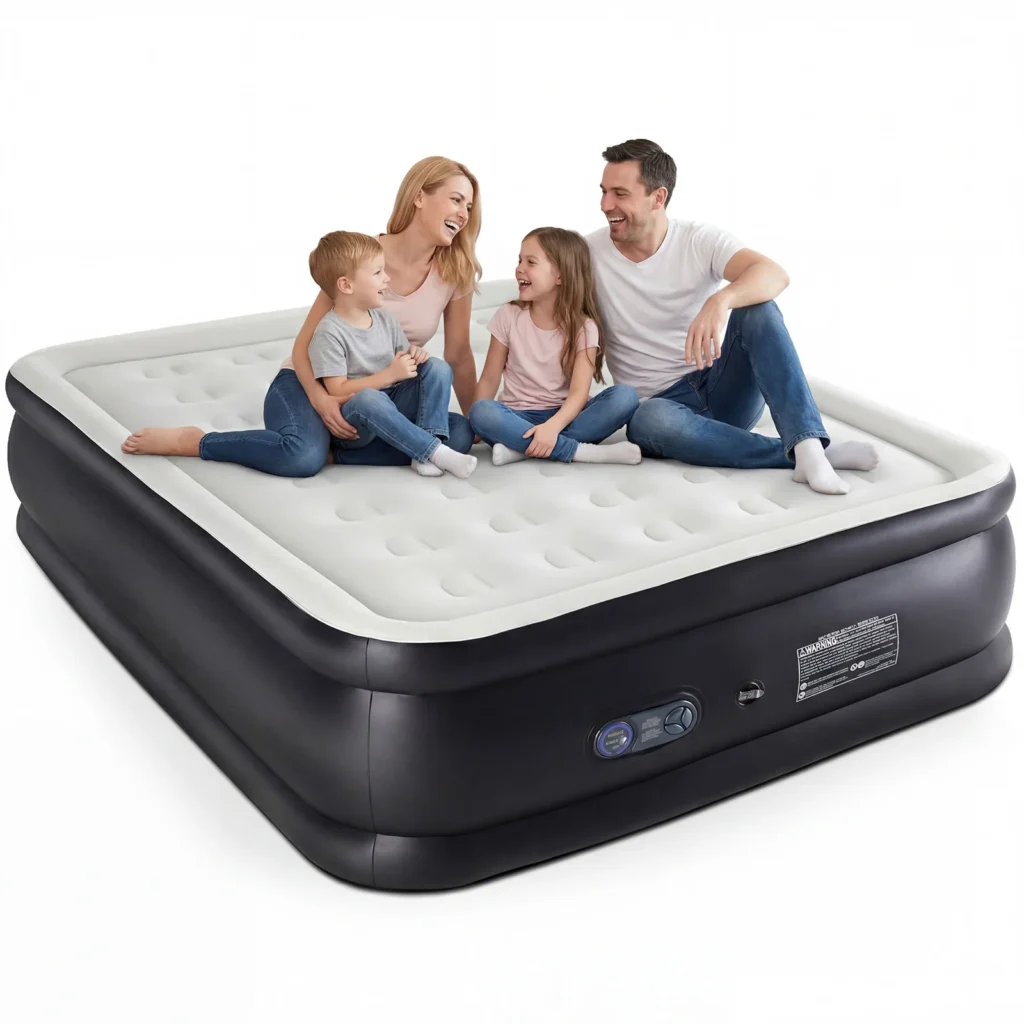
Most homes have no spare bedroom, yet guests still turn up. An air mattress with built-in pump solves that problem without taking up a closet’s worth of space. It packs small, inflates in minutes and gives a visitor a real place to sleep instead of a sofa cushion.
Not every inflatable bed is worth the money, though. Height, pump type, base grip and weight rating all change how well you sleep. This guide covers what to check before you buy, using the details on the 18 inch air mattress listing as a practical example.
Why height matters more than most people think
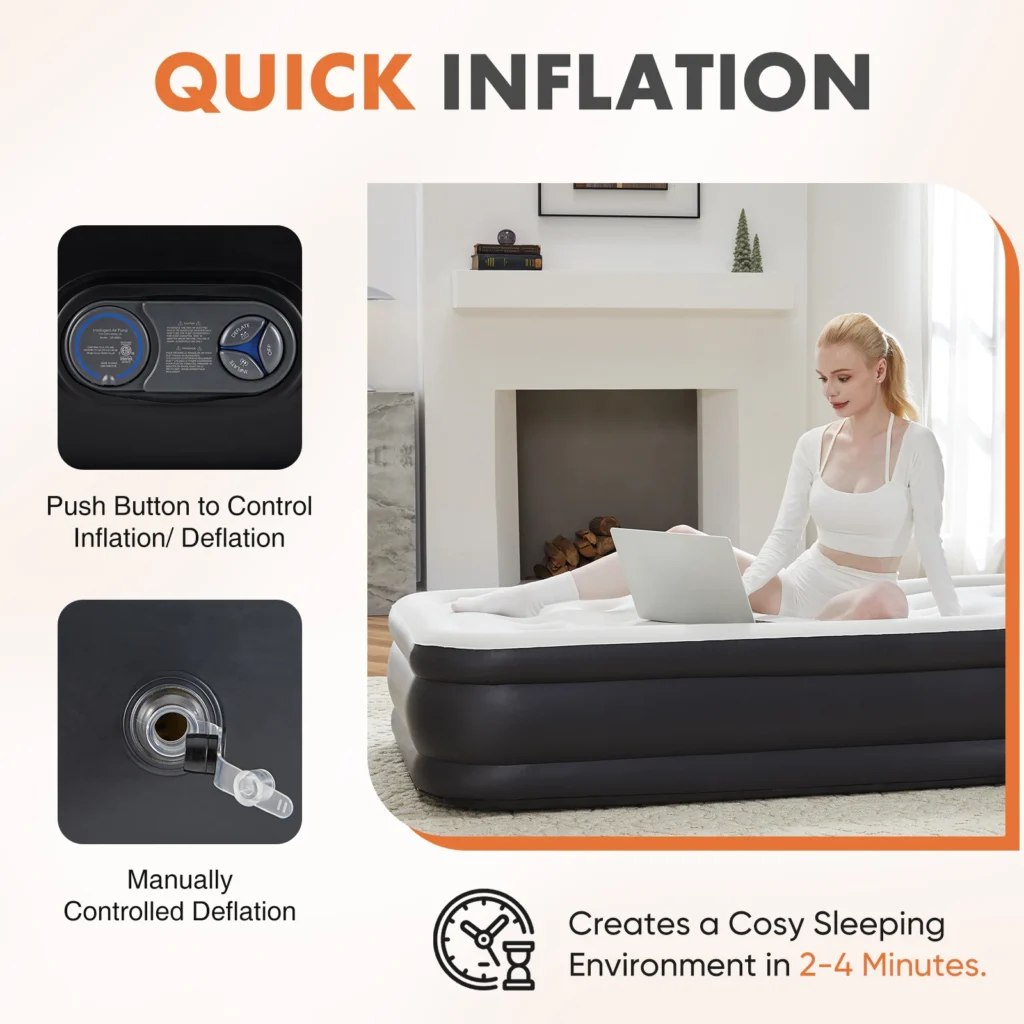
Low air beds sit close to the floor. Getting up from them is awkward, especially for older guests or anyone with stiff knees. A raised bed, around 18 inches tall, sits closer to the height of a normal bed frame. Sitting down and standing up feels natural.
Height also helps with warmth. Air under you pulls heat from your body, and a taller bed keeps you a bit further from cold floors. Taller models are not always better, but for adult guests the extra height is usually worth having.
Built-in pump versus a separate pump
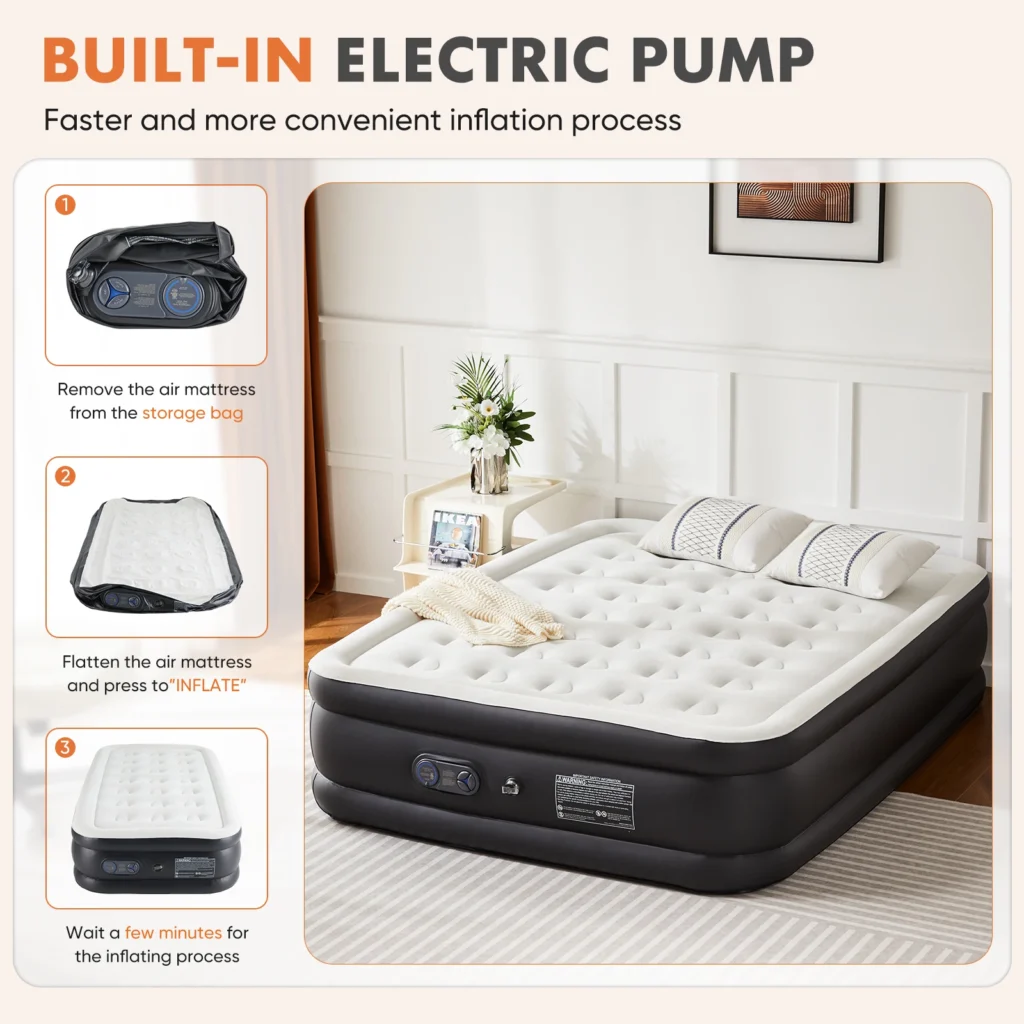
A separate pump is one more thing to lose, and one more cord to hunt for at ten at night. A built-in pump removes that step. You plug in, switch on and wait while the bed fills.
The trade-off is simple. A built-in pump adds a little weight and sits inside the bed, so you should confirm it is powered from a wall outlet and that you have one near where the bed will go. For camping, check your power plan before you leave. Many campsites have no outlets at the tent site.
Choosing between Queen and Twin
Queen is the usual size for couples or for a single adult who likes room to roll over. It needs roughly the floor space of a real queen bed, so measure the room first. Twin is narrower and fits in a kid’s room, an office or a corner of the living room.
If you host one person most of the time, twin saves space and costs less. If you host couples, or you plan to use the bed as a sleep upgrade on family trips, queen is the better pick. The listing offers both, so you can choose by the room you have.
Weight rating and what it tells you
A weight rating is the total load the bed is built to carry. This one lists 660 lb. That is a combined figure, so a couple and a bag or a pet sharing the surface count together.
Do not treat the number as a target. Sitting hard on the edge or jumping on the bed puts stress on seams. Spread weight evenly, and keep sharp objects, pet claws and jewelry away from the surface.
A non-slip base keeps the bed where you put it
Inflatable beds on smooth floors drift. Hardwood, tile and vinyl are the worst. A non-slip bottom grips the floor so the bed does not creep while someone gets in or out.
Even with a grippy base, a few habits help. Clear the floor of grit before inflating. Keep the bed away from stairs and from doorways. If the floor is carpeted, the bed will grip better still.
Setting it up the right way
Lay the bed flat in the spot where it will stay. Moving a full bed across a room is harder than it sounds. Check that the valve is closed, then start the pump.
Stop when the bed feels firm but still has a little give when you press with your palm. A rock-hard bed is under stress, and it will feel firmer still when someone lies down. Give it a few minutes and top it up if needed, since new material often relaxes slightly after first use.
Common mistakes with air mattresses
Overinflation is the most common one. It makes the bed uncomfortable and stresses the seams. Another is putting the bed directly on rough ground when camping. Lay a tarp or a groundsheet underneath, and clear stones and sticks first.
People also forget about temperature. Air expands in heat and contracts in cold, so a bed that felt perfect at dusk may feel soft by morning. Expect to top it up once if the room cools off overnight.
Making the bed feel like a real bed
Add a fitted sheet, a light mattress topper if you have one and proper pillows. Bedding makes more difference than most guests expect. A blanket between the sheet and the surface reduces the cold feeling of vinyl-type material.
If you often have trouble with sheets sliding, our guide on why fitted sheets keep slipping off has practical fixes that apply to inflatable beds too.
Preparing the room for a guest
A comfortable bed is only half of hosting. Put a small lamp or a phone charger within reach, leave a spare blanket folded at the foot and clear a bit of floor space for a bag. If the room is shared with a desk or a TV, a quiet hour and a dimmed light go a long way.
Tell your guest where the switch for the pump is and how to let a little air out if the bed feels too firm. A two minute walkthrough beats a bad first night, and it spares you a late knock on the door.
Care, cleaning and storage
Wipe the surface with a damp cloth and let it dry completely before you deflate it. Moisture trapped inside a folded bed is a mold risk. Open the valve and let all the air out, then fold along the lines it came with.
Store it in a cool, dry place away from sharp tools and direct sun. A shelf or the bag it came in works well. Check the surface for small scuffs before each use so you spot damage early.
Who this kind of bed suits
It fits households that host often but have no dedicated guest room. It also suits campers who can reach power, students in shared flats, and families that need a fallback for sleepovers. It does not replace a daily-use mattress, so do not plan on it for long-term sleep.
Browse more in our Fitness & Outdoors category, and note that this item ships from a US warehouse to US addresses only. You can see everything available there in the US store.
The bottom line
A good guest bed should be tall enough to climb on and off easily, fill itself without extra gear, grip the floor and carry the people you expect to host. The 18 inch air mattress with built-in pump lists all of those features, in Queen or Twin. Measure your space, pick the size that matches your guests, and check the product page for current options and pricing.
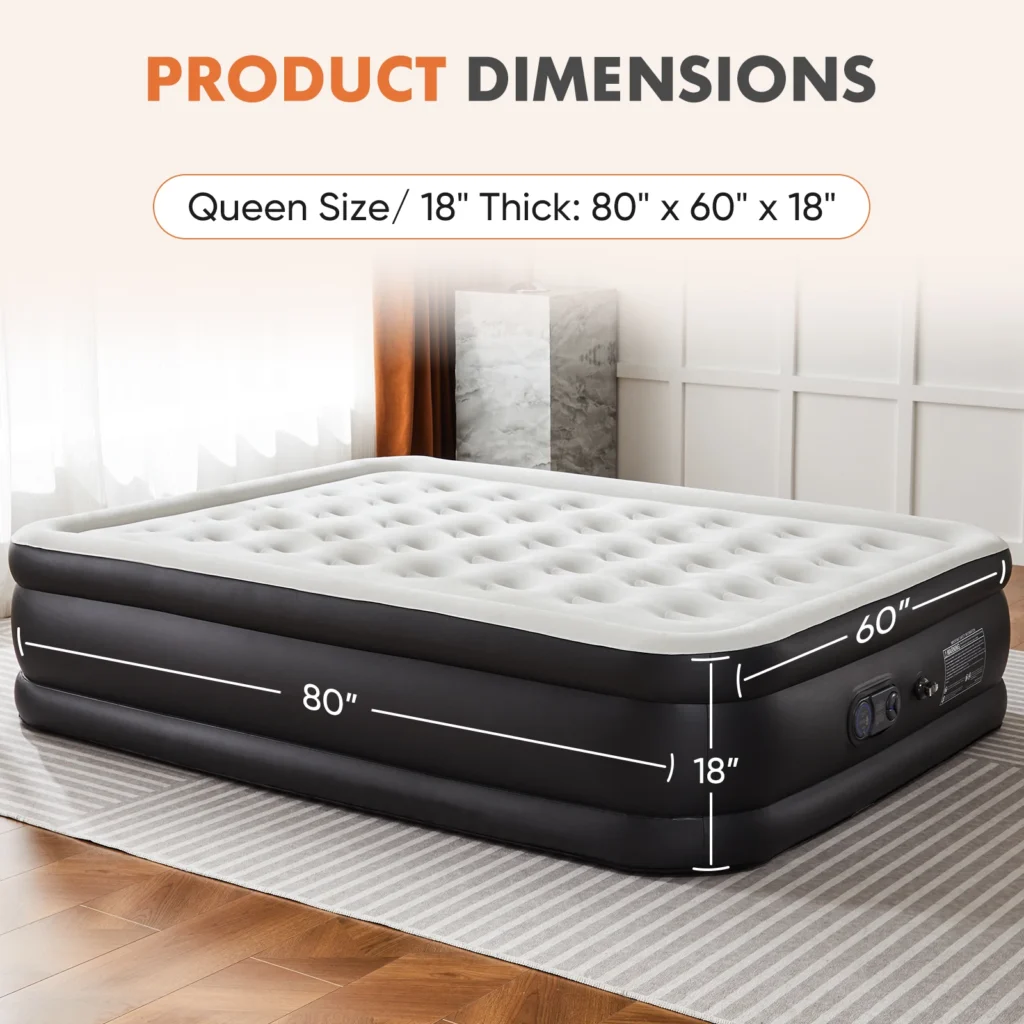
18 in Tall Air Mattress with Built-In Pump, Queen or Twin
An 18 inch tall air mattress with built-in pump and a non-slip base, rated to 660 lb, in Queen or Twin.
Price range: $65.99 through $78.99
View productSubmit Your Story
What is the best tip you have for making a guest bed comfortable? Share it through our contact page and we may feature it in a future article.
How This Article Was Created
This article was written from the product details on our listing and widely known buying considerations. We do not quote unsourced statistics, and we only mention features shown on the product page. Check the page for current options and prices. This item ships from a US warehouse to US addresses only.