Post Driver Guide 2026: Easy Tips to Avoid a Bad Buy
A fence post driver speeds up fencing safely. Compare 14 lb and 22 lb weights, bore size, materials and care before you buy.
 By Ahamed Khan
In this guide15
- 01Table of Contents
- 02How a manual post driver actually works
- 03Choosing the right weight: 14 lb or 22 lb
- 04Why bore size is not a detail
- 05T-posts, channel posts and other uses
- 06Why carbon steel is a sensible material
- 07Planning your fence line before you drive
- 08Handles and grip matter for safety
- 09Using it step by step
- 10Common mistakes to avoid
- 11Care and storage
- 12Who this tool suits
- 13The bottom line
- 14Submit Your Story
- 15How This Article Was Created
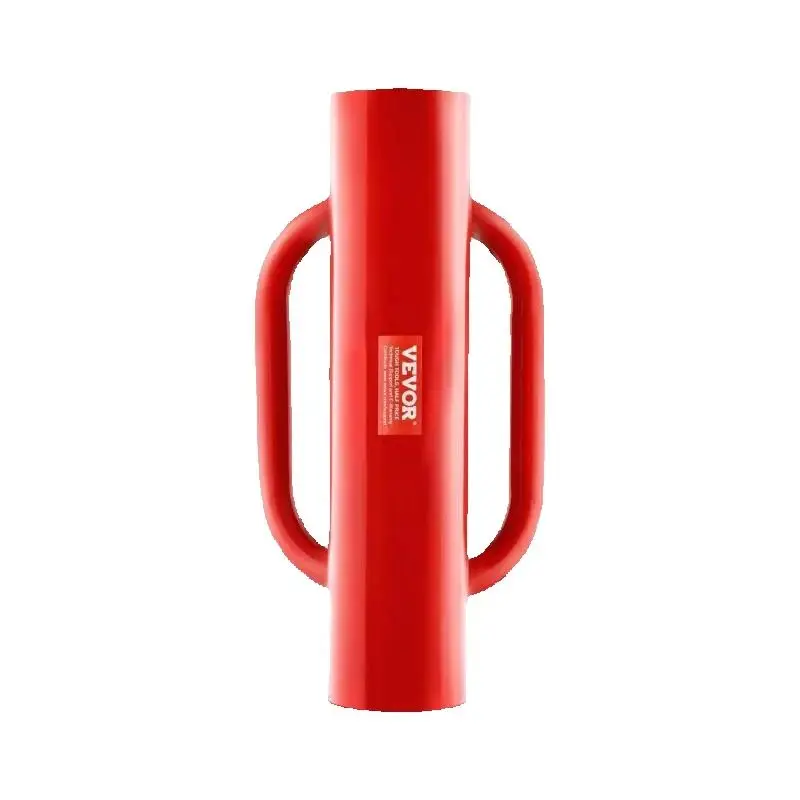
Driving a fence post with a sledgehammer is slow, tiring and a little dangerous. One missed swing can hit your hand, your knee or the top of the post itself. A fence post driver gives you a safer way to do the same job: slide it over the post, lift it and let it drop.
Still, drivers differ in weight, bore size and build, and the wrong choice makes the work harder instead of easier. This guide explains what to check before you buy, using the carbon steel fence post driver with handles as a working example.
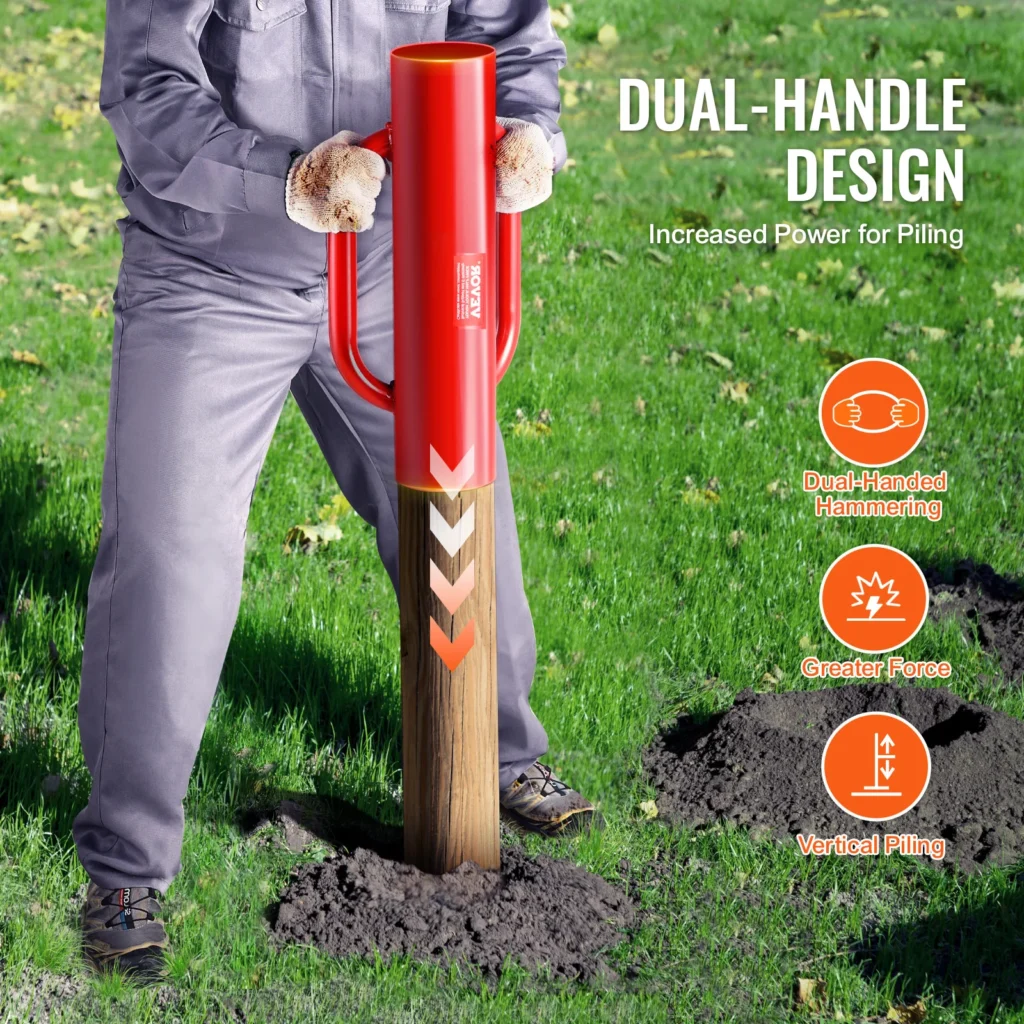
Table of Contents
How a manual post driver actually works
A post driver is a heavy steel sleeve with a closed top. You place the open end over the top of a post, lift the sleeve and drop it. The weight of the steel strikes the closed end and pushes the post down. Gravity does the hitting; your arms do the lifting.
Because the sleeve surrounds the post, it stays centered. That keeps strikes square and helps the post go in straight. Two handles let you lift with a firm grip while your hands stay clear of the impact point.
Choosing the right weight: 14 lb or 22 lb
Weight is the main decision. The listing offers a 14 lb version with a 2.7 in bore and a 22 lb version with a 4 in bore. Heavier drivers hit harder and drive posts faster in firm ground. Lighter ones are easier to lift over and over.
If you drive a handful of posts in soft soil, the lighter one is usually enough and easier on your back. If you are fencing a larger area or the ground is hard, the heavier one saves time. Think about how many lifts you will do in a day, not just how hard each strike is.
Why bore size is not a detail
The bore is the opening that fits over the post. If the post is wider than the opening, the driver will not fit at all. If the opening is far wider than the post, the sleeve can wobble and strike off center.
Measure the top of your post before you order, and compare it with the bore listed for each weight. The 14 lb option lists a 2.7 in bore and the 22 lb option lists a 4 in bore, so check the size of the posts you plan to use against those numbers.
T-posts, channel posts and other uses
The listing says the driver fits T-posts and channel posts, and lists fencing, signs and stakes as uses. Metal T-posts are the classic pairing. Sign posts and ground stakes are also common jobs for a driver like this.
It is a manual tool for posts that are designed to be driven. Do not use it on material that can split or shatter, and stop if a post begins to bend or buckle.
Why carbon steel is a sensible material
A driver has to take repeated impact on its closed end. Carbon steel is a common choice for that job because it is strong and holds its shape under hard use. Steel is also heavy, which is exactly what you want from the working part of the tool.
Carbon steel can rust if you leave it outside wet. A quick wipe after use and storage in a dry spot keeps the surface in good shape. A light coat of oil on bare metal helps if you store it for months.
Planning your fence line before you drive
Good fences start with a plan, not a tool. Walk the line first and note slopes, tree roots, buried pipes and soft patches. Call your local utility marking service before you drive anything into the ground, since a post through a buried line is a costly mistake.
Set stakes at each corner and run string between them. Space posts evenly, and drive the corner and end posts first so the line stays straight. Having every post marked in advance means you spend your energy lifting, not guessing.
Handles and grip matter for safety
Two handles let you lift with both hands and keep your fingers away from the post and the rim of the sleeve. Check that the handles are firmly attached and that your hands are clear when the driver lands.
Wear gloves with a good grip, and wear boots with a steel or reinforced toe if you can. A steel sleeve weighing 14 or 22 pounds can hurt a foot badly if it slips.
Using it step by step
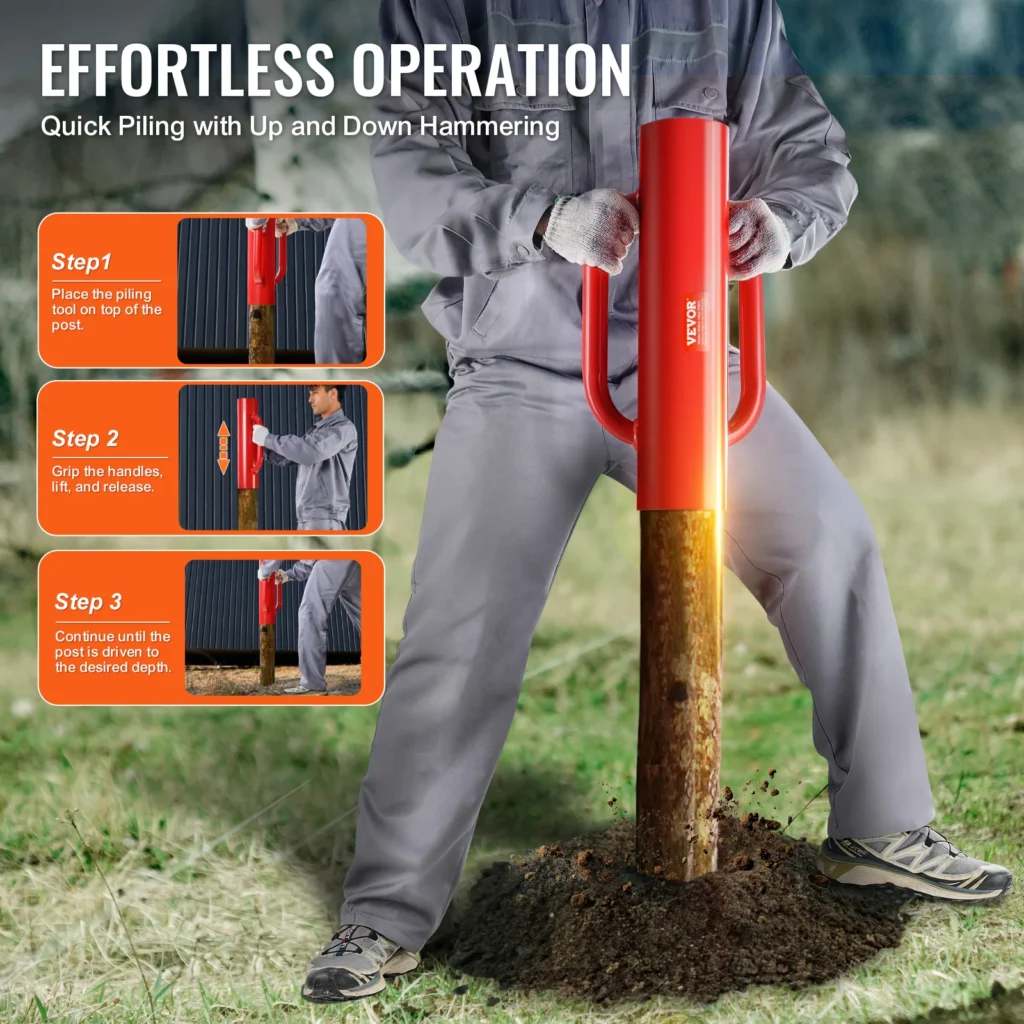
Mark your line with string and set the first post by hand so it stands upright. Place the driver over the top and lift it just enough to clear the post, not to shoulder height. A controlled lift and drop is better than a wild swing.
Check the post for plumb after every few strikes. Posts are far easier to correct early than late. Keep going until the post reaches your target depth, and keep your feet well back from the drop zone.
Common mistakes to avoid
The first is using a driver that is too heavy for you. If you can only manage a few lifts before tiring, form suffers and risk goes up. The second is rushing in rocky ground. A buried rock can deflect a post sideways, so stop and probe the spot before you force it.
The third is ignoring the shipping weight. The listing gives about 11 kg, so plan how you will carry it from your vehicle to the work site, and do not lift it awkwardly while stepping over uneven ground.
Care and storage
After each job, brush off dirt and wipe the steel. Store the driver upright or flat in a dry garage, shed or utility room. Look at the handles before every use for cracks or loose fittings.
If you see mushrooming or burrs on the striking end, take care when handling it and file down sharp edges. A well kept driver lasts through many projects. For more tools and supplies, see our Home Improvement category.
Who this tool suits
It suits homeowners fencing a yard, gardeners marking out beds, farmers and small holders putting up temporary lines, and anyone who sets signs or stakes. It is less useful if you only need one post a year, in which case borrowing a tool may be enough.
This item ships from a US warehouse to US addresses only. You can browse similar items in the US store.
The bottom line
Pick the weight you can lift all day, match the bore to your posts, and look for solid steel and a safe grip. The fence post driver with two handles comes in 14 lb and 22 lb versions and lists T-posts and channel posts as supported. Check the product page for current options and pricing before you order.
For independent guidance on product safety, see the U.S. Consumer Product Safety Commission safety education pages.
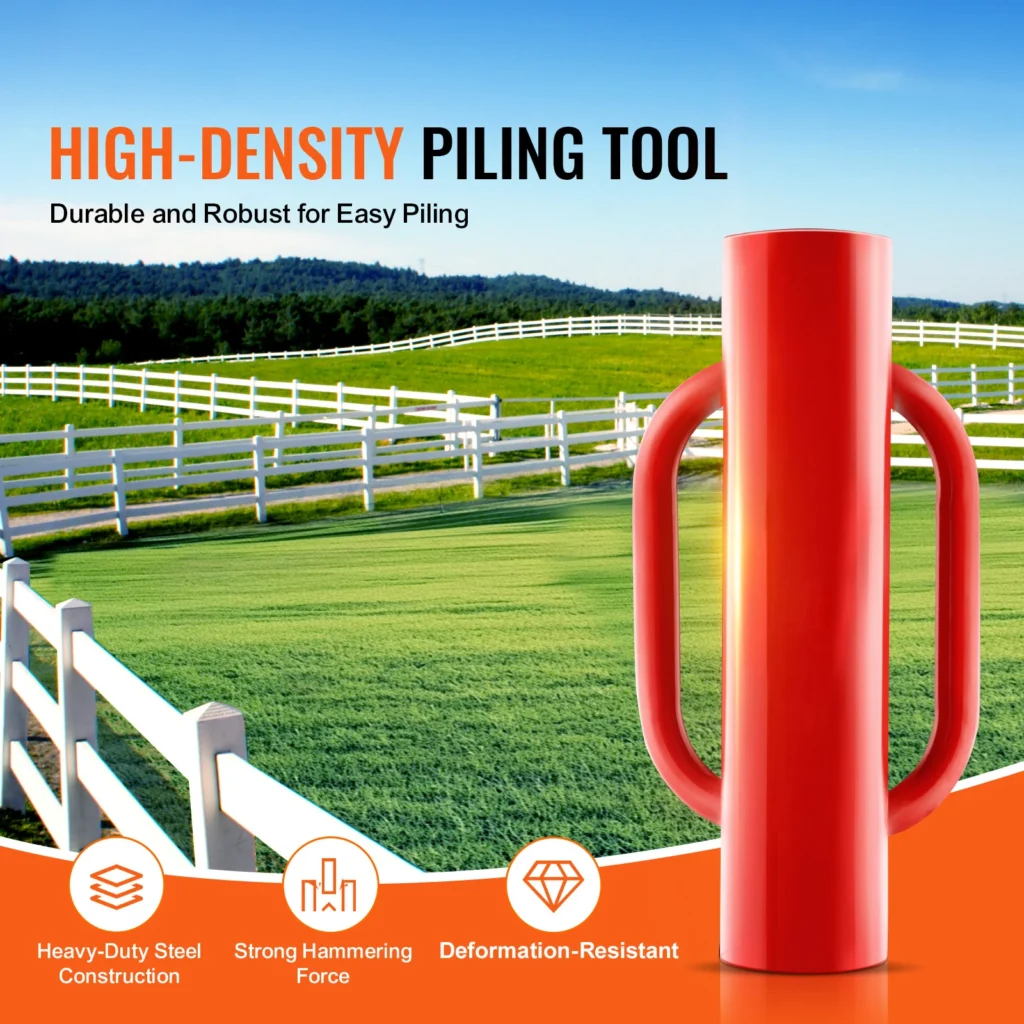
Fence Post Driver with Handles, Carbon Steel, 14 lb or 22 lb
A carbon steel fence post driver with two grip handles, in 14 lb or 22 lb, for T-posts and channel posts.
Price range: $41.99 through $60.99
View productSubmit Your Story
What was your hardest fencing job, and what made it easier? Share it through our contact page and we may feature it in a future article.
How This Article Was Created
This article was written from the product details on our listing and widely known buying considerations. We do not quote unsourced statistics, and we only mention features shown on the product page. Check the page for current options and prices. This item ships from a US warehouse to US addresses only.