Garage Storage Rack 2026: Easy Tips to Avoid a Bad Buy
Choosing a garage storage rack: size, weight rating, shelves and assembly explained for a safer, tidier garage.
 By Ahamed Khan
In this guide12
- 01Table of Contents
- 02Start with the floor space you really have
- 03Understand what a total weight rating means
- 04Look at the frame material
- 05Adjustable shelves are worth having
- 06Why width matters more than people expect
- 07Check assembly and plan the move
- 08What to store, and how to keep it safe
- 09Browse similar options
- 10The bottom line on garage storage rack
- 11Submit Your Story
- 12How This Article Was Created
A garage fills up slowly. A box of holiday decorations, a few paint cans, the camping gear you use twice a year, and suddenly the floor is gone. A good garage storage rack is the quickest way to get that space back, but only if you pick one that fits the room and the load you plan to put on it.
This guide walks through what to check before you buy: size, weight rating, shelf layout, assembly and placement. We use a 72 inch steel unit as the running example, but the advice applies to most freestanding shelving. Read it through once and you will know what to measure and which mistakes to avoid.

Table of Contents
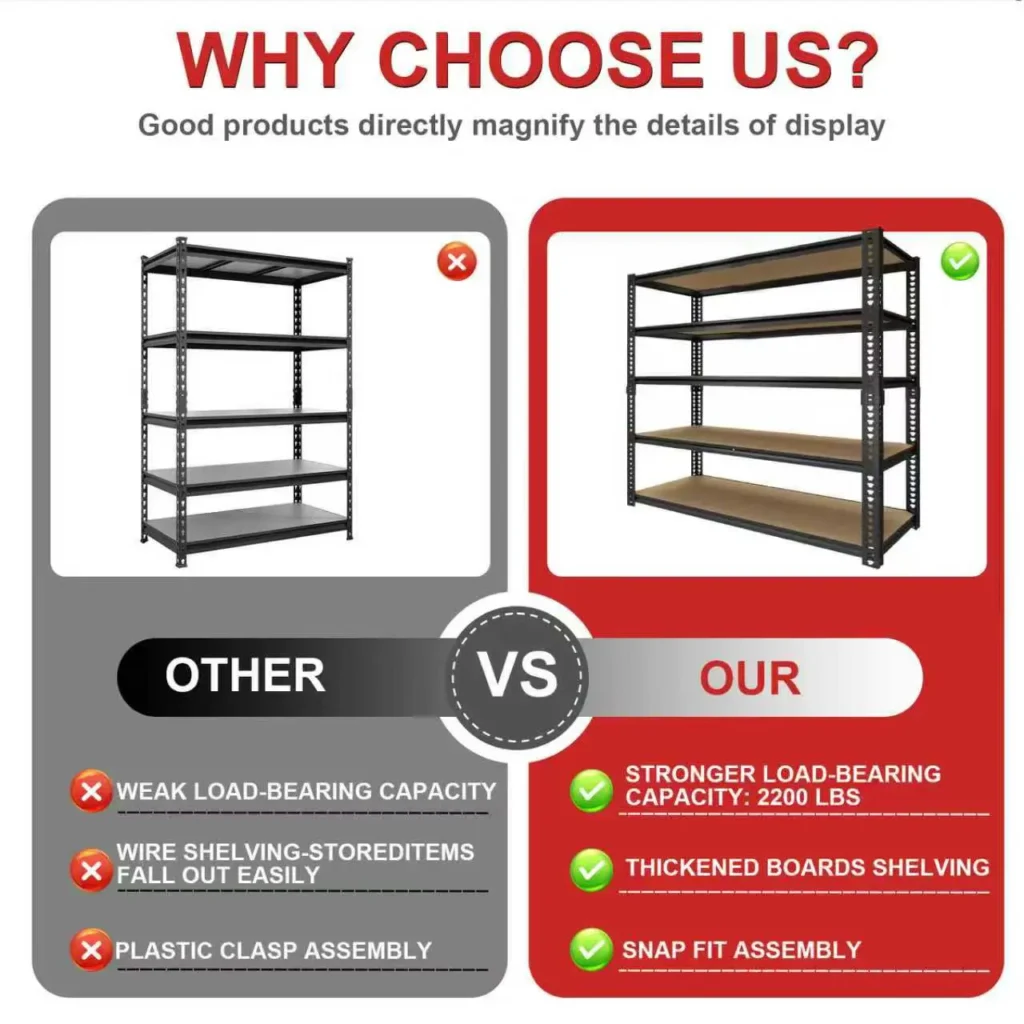
Start with the floor space you really have
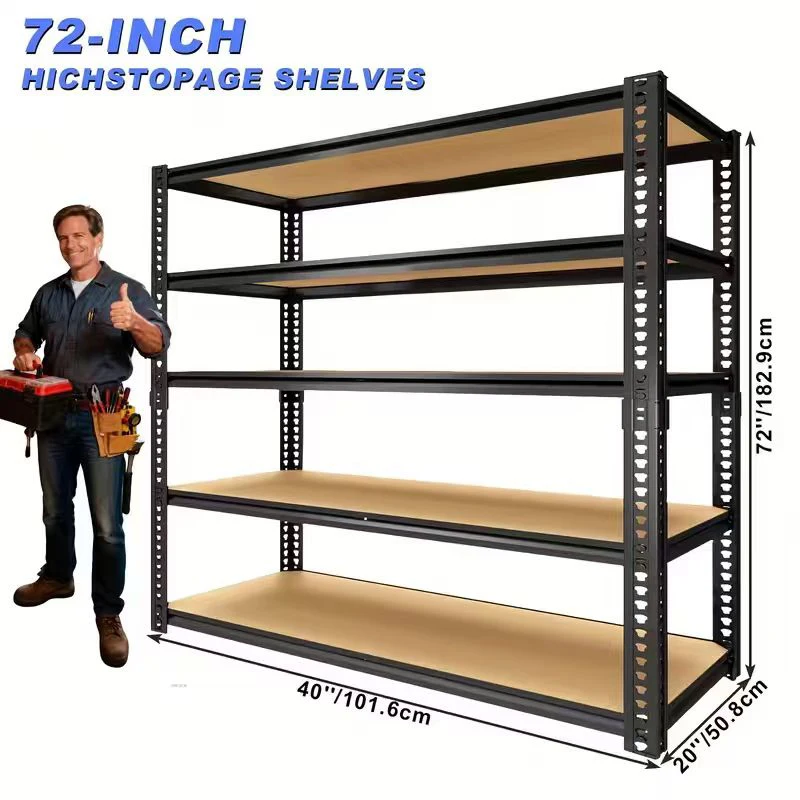
Measure the wall or corner where the rack will stand, then subtract room for the car doors, a workbench and any door that swings inward. A rack that is 40 inches wide and 20 inches deep, like the one on our listing, needs a clear patch a little bigger than that so you can slide boxes in and out.
Do not forget the ceiling. A 72 inch rack is six feet tall, which clears most garage doors and low beams, but check any overhead storage, door tracks or opener rails before you commit. Write the three measurements down, width, depth and height, and keep them on your phone when you shop.
Understand what a total weight rating means
Capacity figures are easy to misread. The rack in our example is rated for up to 3050 lb in total. That is the combined limit across the whole unit, not the limit for each shelf. If you have five shelves, the load is shared between them, and the figure assumes the weight is spread out evenly.
In practice, keep the heaviest items on the lowest shelf. Paint, bags of soil, power tools and tool chests belong near the floor. Lighter and bulkier things, such as empty boxes, sleeping bags and seasonal decorations, can go higher up. This keeps the rack stable and makes heavy items easier to lift.
It also helps to be honest about what you own. Most households never come close to the maximum rating, but a rack full of full paint cans and metal tool boxes adds up faster than you might think. Add up your heaviest items before you decide whether you need a heavy-duty unit or a lighter one.
Look at the frame material
Steel is the standard for garage shelving, and for good reason. It does not sag easily, it handles cold and heat swings, and it will not be chewed by pests. Our featured rack uses a steel frame, with the product details listing steel and iron as materials.
Whatever you buy, check the finish. A coated or painted surface helps resist scratches and light moisture. If your garage is damp or sees a lot of rain blowing in, wipe the frame down from time to time and keep an eye out for chips where rust could start.
Adjustable shelves are worth having
Your storage needs will change. Today you might need two tall shelves for storage bins, and next year you might want four short ones for tools and jars. Adjustable shelving lets you move the levels to suit what you own instead of forcing your belongings to suit the rack.
Before you assemble, plan your layout on paper. Measure your tallest bin and your most awkward item first. Set those shelf heights, then divide the rest of the space around them. Leave a little spare height above each bin so you can lift it out without scraping the shelf above.
Why width matters more than people expect
Narrow racks are fine for cans and small tools, but they struggle with large plastic bins, folded tents or a spare tyre. An extra wide unit, at 40 inches, gives you room to line up two standard bins side by side on a shelf. That cuts down on stacking and makes everything easier to reach.
The trade-off is wall space. If your garage is tight, a narrower rack that you can fit in two places may serve you better than one wide unit in a single spot.
Check assembly and plan the move
Most heavy racks arrive flat in a box and need to be put together at home. The product details for our example say assembly is required. Set aside an hour or two, clear a floor area, and have a rubber mallet and a level on hand. Having a second person helps when you stand the frame upright.
Read the instructions fully before you start. The most common error is fitting a shelf upside down or skipping a brace, and both are annoying to fix once the unit is loaded.
The listing gives a boxed weight of about 20.6 kg, so one person can usually carry the parts in a few trips. Once assembled and loaded, though, the rack is not meant to be dragged around. Choose its final spot first, build it there, and load it afterwards. If your floor slopes toward a drain, check that the rack sits level, and use small shims under the feet to stop it rocking.
What to store, and how to keep it safe
Garage racks suit boxes, tools, car care supplies, sports equipment and seasonal gear. They are less suited to anything that reacts badly to heat or cold, such as aerosol cans in summer or some adhesives in winter. Check the label on those products before you leave them out there. Keep fuel and other flammable liquids in approved containers and follow your local safety rules.
Even a strong rack can tip if you load it badly. Put the weight low, spread it evenly, never climb on the shelves, and never let items stick out past the front edge. If children are around, consider securing the unit to a wall stud with an anchor bracket, if the design allows it. Check the fasteners every few months, especially after moving heavy items.
A little routine goes a long way. Once or twice a year, take everything off one shelf at a time, wipe it down, and decide what you no longer need. Racks work best when they hold things you actually use, and a short clear-out stops the clutter from creeping back.
Browse similar options
If you are comparing racks, our Home Improvement category has other items for the workshop and the home, and the US store lists everything that ships from a US warehouse to US addresses.
The bottom line on garage storage rack
Measure your space, decide how much weight you will really store, and pick adjustable shelving that can grow with you. A 72 inch steel unit with a 3050 lb total rating is a sensible choice for a busy garage. You can see the full details on the heavy-duty garage storage rack page, including size, material and delivery information.
For independent guidance on product safety, see the U.S. Consumer Product Safety Commission safety education pages.

Heavy-Duty Garage Storage Rack, 72 in, 3050 lb Capacity
Adjustable steel shelving, 72 in tall and 40 in wide, rated up to 3050 lb in total.
$88.99
View productSubmit Your Story
What is the one thing in your garage you wish you had a better place for? Share it through our contact page and we may feature it in a future article.
How This Article Was Created
This article was written from the product details on our listing and widely known buying considerations for shelving. It contains no unsourced statistics, and we only describe features shown on the product page. Please check the page for current options and prices. This item ships from a US warehouse to US addresses only.