Chimney Sweep Kit Guide 2026: Easy Tips to Avoid a Bad Buy
A practical guide to choosing a chimney sweep kit: rod length, brush type, drill use, safety and mistakes to avoid when cleaning a flue yourself.
 By Ahamed Khan
In this guide14
- 01Table of Contents
- 02How a rotary kit works
- 03Why flexible nylon rods help
- 04Brass-wire brush heads
- 05Choosing the kit size
- 06Using it with a drill
- 07Preparing the area
- 08Step-by-step basics
- 09What this kit can and cannot do
- 10Care, storage and mistakes to avoid
- 11Who this kit suits
- 12The bottom line on chimney sweep kit
- 13Submit Your Story
- 14How This Article Was Created
A flue that is not cleaned builds up soot and creosote, and nobody wants that sitting above a fire. Many households would rather clean it themselves than climb a roof, and a chimney sweep kit that works from below makes that realistic. You screw flexible rods together, fit a brush and spin it with a drill.
This guide explains what to look for when you choose one: rod material, length, brush type, kit size and the safety steps that matter. It uses the details on our drill-driven nylon rod kit listing as an example. Always follow the guidance for your own heating appliance, and if you are unsure, ask a qualified professional.
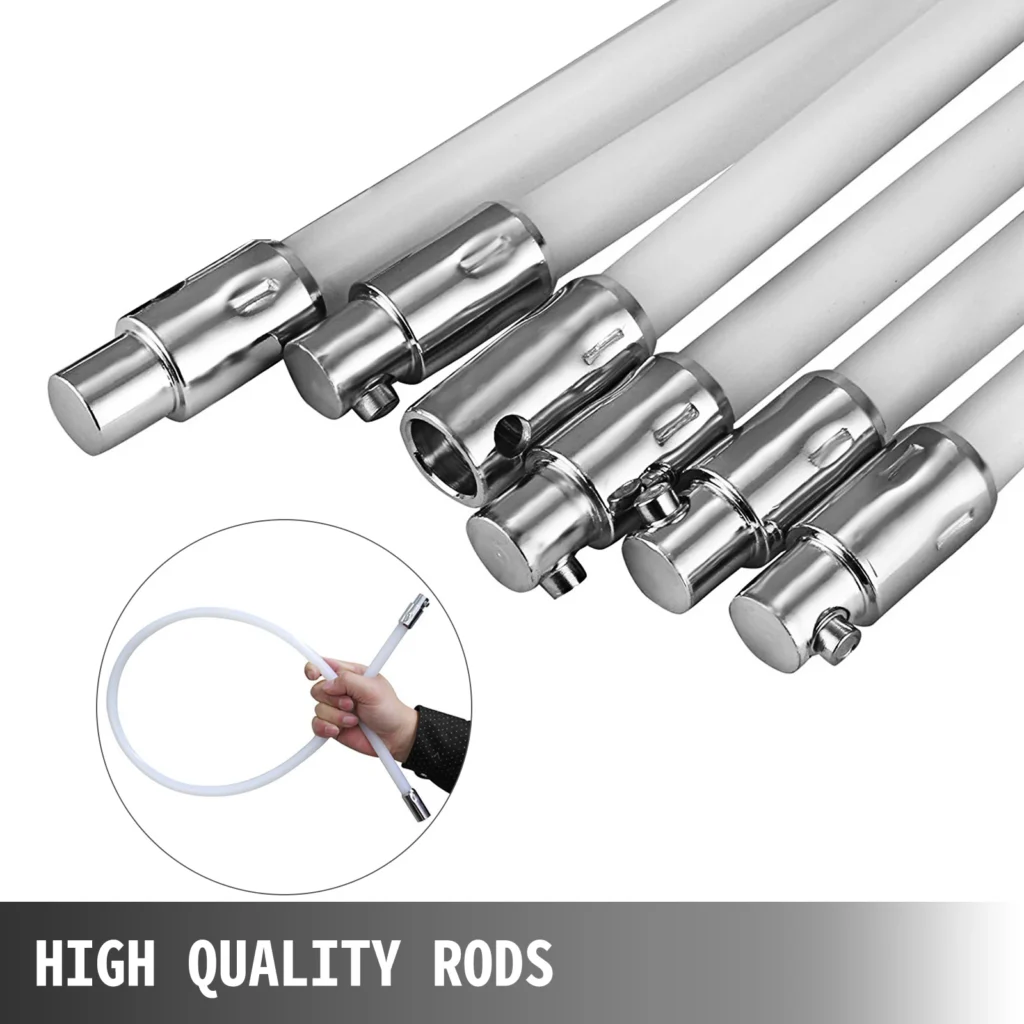
Table of Contents
How a rotary kit works
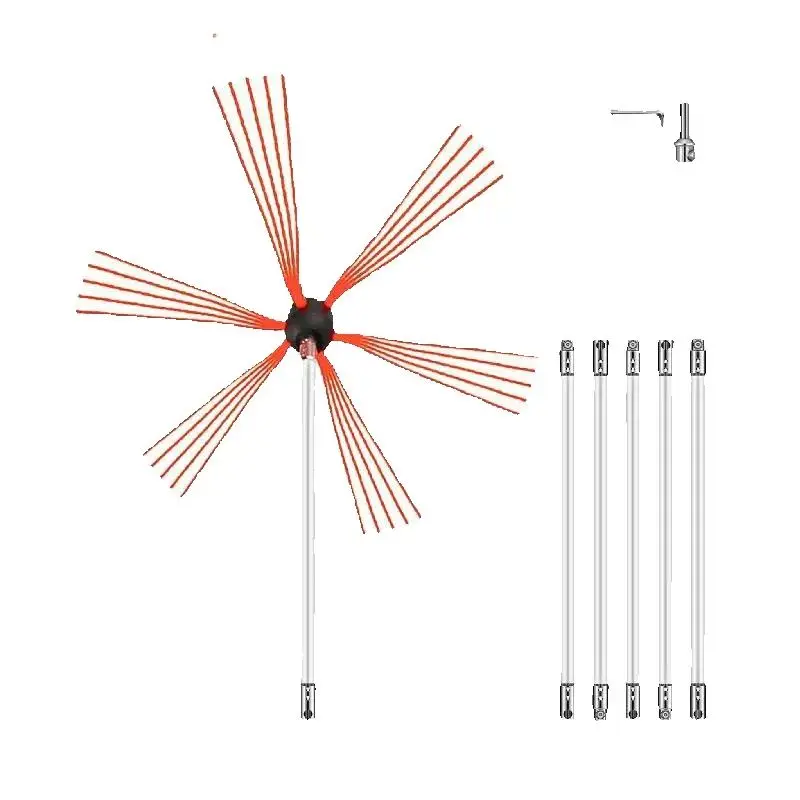
A rotary kit has three parts: a brush head, a set of rods and a drive. The brush screws onto the first rod, and you add rods one at a time as the brush travels up the flue. At the bottom end you attach an electric drill, which spins the whole string so the bristles scrape the walls.
The appeal is simple. You work from the fireplace or stove opening, you do not need roof access, and the job is faster than scrubbing by hand. The drill is not included in this kit, so you need your own.
Why flexible nylon rods help
Rods can be rigid or flexible. Flexible nylon rods bend as they travel, which helps them follow the curve of a flue or pass an offset. They are also kinder to the inside of the chimney than stiff metal.
The rods in this kit are nylon and about 39 in (1 m) each. That length is easy to handle indoors and easy to store. Check that the joins are firm, because a rod that works loose inside the flue is a real headache to retrieve.
Brass-wire brush heads
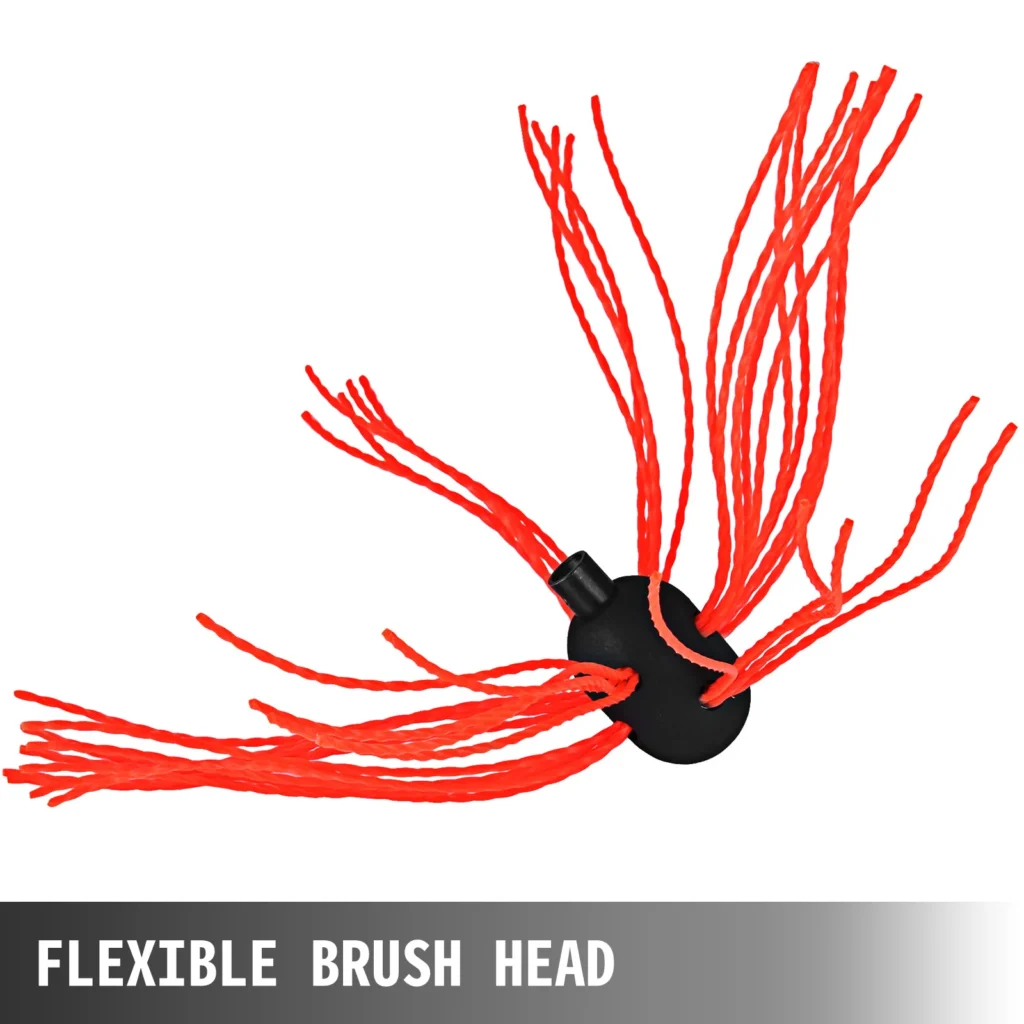
The brush head does the cleaning. This one uses brass wire, which scrapes soot and creosote off the walls of a flue. Brass is firm enough to work on deposits but softer than steel, which matters if your liner is delicate.
Match the brush to the flue. A brush that is too small skips the walls. One that is too large can jam. Measure the inside of your flue and check the brush size on the listing before you order.
Choosing the kit size
This kit comes in two sizes: 6 rods, about 20 ft, or 9 rods, about 30 ft. The right choice depends on the height of your flue from the opening to the top.
- Estimate the height by counting floors and allowing for the roof pitch.
- Add a little extra so the brush can clear the cap.
- If you are unsure, the longer set gives more margin.
A longer set costs more, but running short means you cannot finish the job. If you have a one-storey cottage, the shorter set may do. A taller house is a better match for the longer one.
Using it with a drill
You supply the drill. A corded or battery drill with a chuck that grips the rod end securely works. Use a low speed. Spinning too fast can whip the rods and wear the flue, and a steady speed lets the bristles do the work.
Spin the drill in the correct direction for the rod threads, so the joints tighten rather than unscrew. This is a basic but very common mistake. Check your kit’s fitting before you start and confirm the direction of rotation on a short test.
Preparing the area
Soot gets everywhere. Before you begin, cover the floor and nearby furniture with dust sheets. Seal the opening around the rods as best you can, and wear a dust mask, safety glasses and gloves.
Make sure the fire is cold and has been out for long enough that the flue is completely cool. Remove ash and any loose debris so it does not mix with the soot you are about to dislodge.
Step-by-step basics
- Fit the brush to the first rod and push it into the flue.
- Attach the next rod before the previous one disappears fully.
- Work the brush up and down in sections as you go.
- Keep the string turning in the same direction as the threads.
- Remove rods one at a time on the way back down.
Go slowly. If the brush meets resistance, stop and withdraw it a little rather than forcing it. Pulling hard on a stuck brush can snap a rod or damage the flue.
What this kit can and cannot do
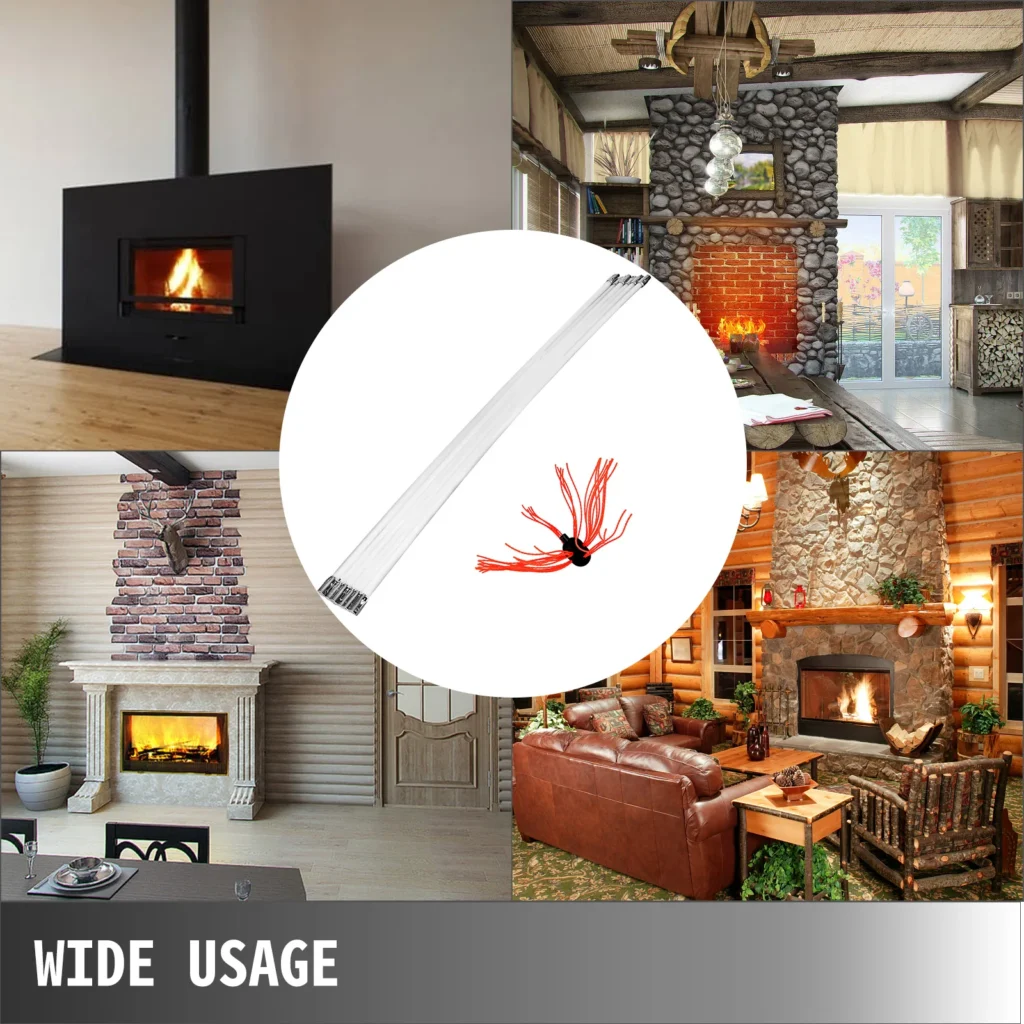
The listing says the kit works on fireplaces, stoves and flues. A brush clears loose soot and creosote. It is not a repair tool, and it will not fix a cracked liner or a blocked cap. If you see damage, smell damp or notice heavy tar-like deposits, a qualified sweep or inspector is the right next call.
Many homeowners also have a professional inspection from time to time. A kit handles routine cleaning between visits, and it helps you stay on top of it. Keep a simple note of when you last cleaned, so the job does not slip for years without anyone noticing.
Care, storage and mistakes to avoid
Wipe the rods and brush after use and let them dry before you coil and store them. Keep them somewhere dry, away from heat sources. Check each rod and the brush head for wear before every use, and replace anything that looks frayed or bent.
- Buying too few rods for the height of the flue.
- Running the drill too fast.
- Cleaning when the flue is still warm.
- Skipping dust sheets and eye protection.
- Ignoring signs of damage that a brush cannot fix.
Most problems come from rushing. Set aside an afternoon, lay out the rods in order before you start, and keep a helper nearby if you can, so someone can watch the room while you work the brush.
Who this kit suits
A drill-driven kit suits owners of open fireplaces and wood stoves who want to keep up with routine cleaning and are comfortable using a drill. If your flue is very tall, has sharp bends or serves an appliance with special requirements, ask a professional first.
You can browse more in our Home Improvement category. This kit is available from our US store and ships to US addresses only.
The bottom line on chimney sweep kit
Measure your flue, pick enough rods, use a low drill speed and protect the room. If that fits your situation, the chimney sweep kit with nylon rods and a brass-wire brush head is worth a look, in 6 or 9 rod sets.
For independent guidance on home fire safety, see the NFPA home fire safety resources.
Chimney Sweep Kit, Nylon Rods and Brush Head, Drill-Driven
A chimney sweep kit with flexible nylon rods and a brass-wire brush head that attaches to your electric drill, in 6 or 9 rod sets.
Price range: $52.99 through $66.99
View productSubmit Your Story
What is the worst thing you have ever found while cleaning a flue? Share it through our contact page and we may feature it in a future article.
How This Article Was Created
This article was written from the product details on our listing and widely known buying considerations for this type of product. It contains no unsourced statistics and only mentions features shown on the product page. Please check the page for current options and prices. This item ships from a US warehouse to US addresses only.