Flexible Solar Panel 2026: Easy Tips to Avoid a Bad Buy
A flexible solar panel suits curved roofs and 12V setups. Check power, size, cells and wiring before you buy.
 By Ahamed Khan
In this guide13
- 01Table of Contents
- 02Flexible or rigid: which one do you need?
- 03What 100W really means
- 04Monocrystalline cells and efficiency
- 05Size and where it will mount
- 06Waterproof is not the same as maintenance-free
- 07Match the panel to your battery and controller
- 08Placement, shade and angle
- 09Related reading and where to look next
- 10The bottom line on flexible solar panel
- 11Submit Your Story
- 12How This Article Was Created
- 13Related guides
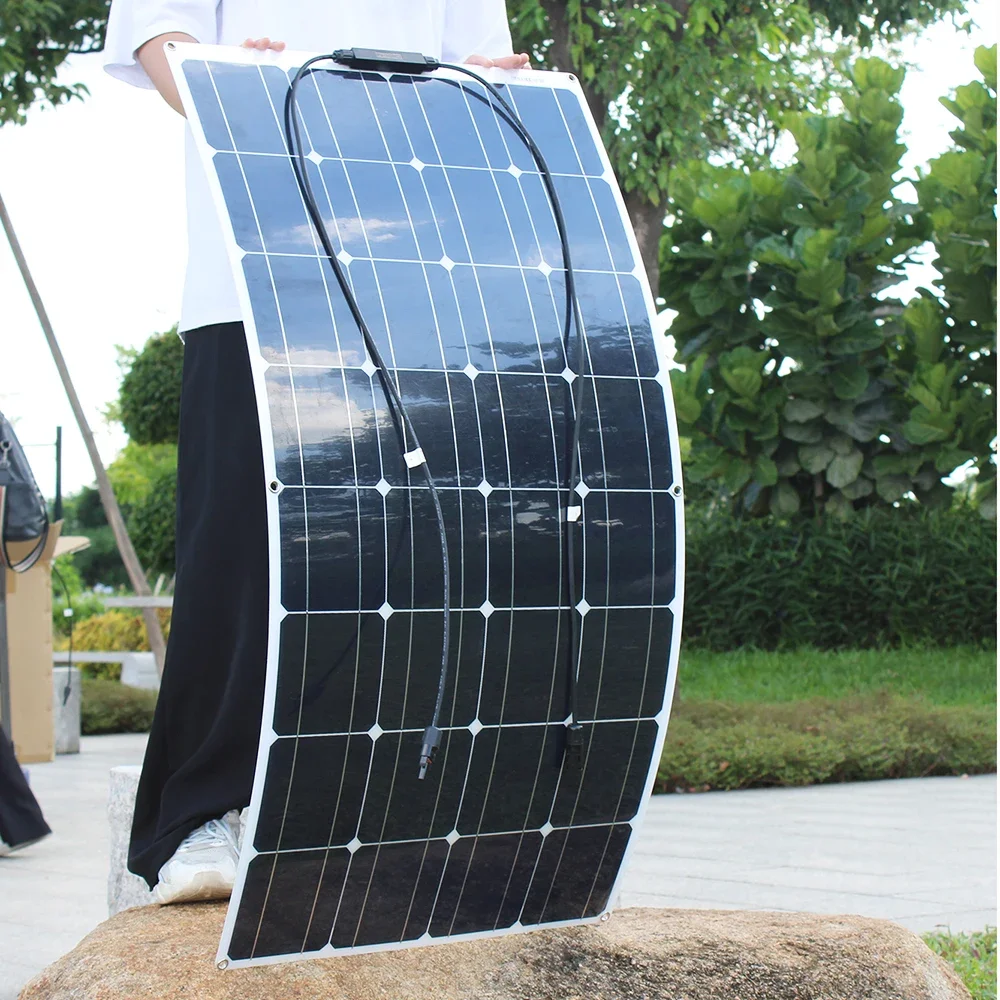
Rigid solar panels are great until you try to fit one on a curved van roof or a boat deck. That is where a flexible solar panel earns its place. It is thin, light and bendable, and it can keep a 12V battery topped up in places a glass-and-aluminium panel will not sit flat.
Not every flexible panel suits every job, though. Power, size, cell type and how you plan to fix it all matter. This guide covers the main things to check, using a 100W monocrystalline panel as the example, so you can decide whether this type fits your van, boat, camper or cabin.
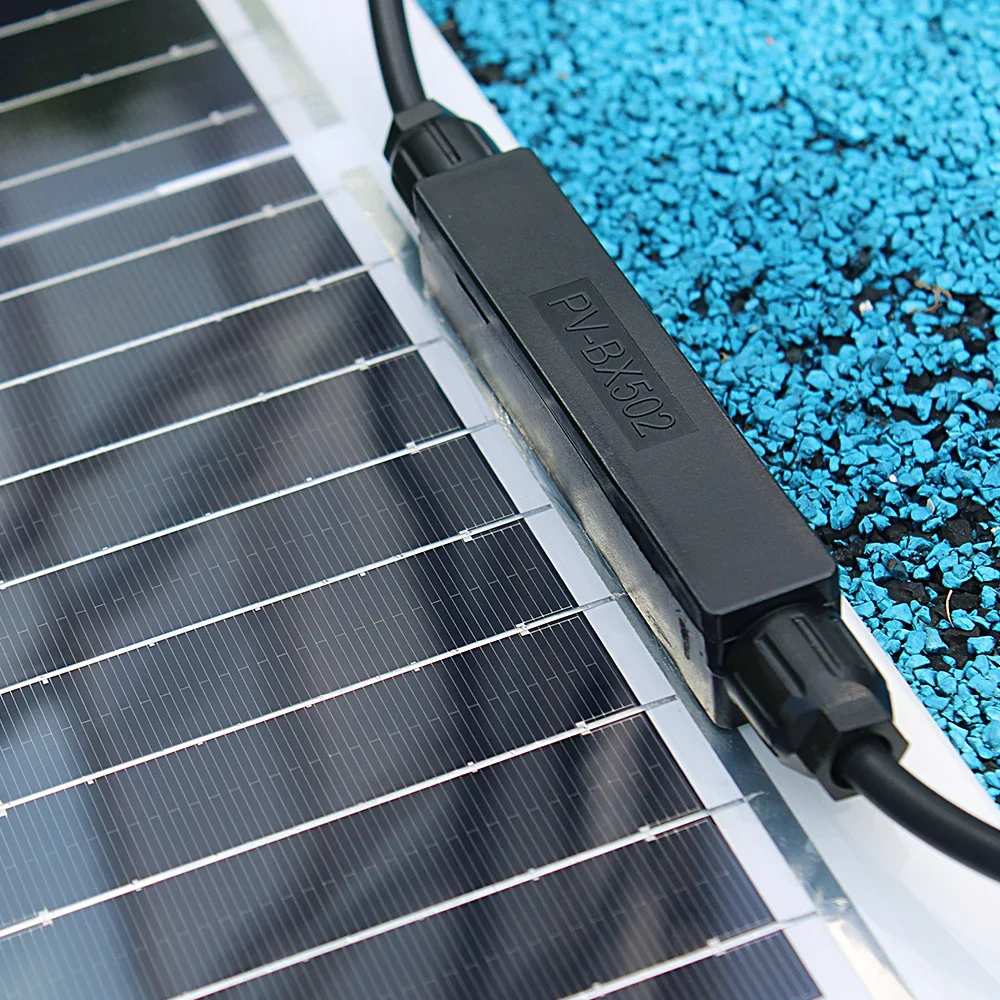
Table of Contents
Flexible or rigid: which one do you need?
A rigid panel has a stiff frame and a glass front. It is durable and easy to mount on a flat surface, and it often costs less per watt. A flexible panel gives up some of that stiffness in return for being thin and bendable. You can lay it over a gentle curve, which opens up places a rigid frame cannot go.
Choose flexible when the surface curves, when weight matters, or when a thick frame would catch the wind or clash with a low roof. Choose rigid when you have a flat roof or a ground-mounted setup and want the sturdiest option. Neither is better in every case, and the right answer depends on where the panel will live.
What 100W really means
The 100W figure is the panel’s rated output under ideal test conditions. In everyday use you will usually get less, because sun angle, haze, heat and shading all pull the number down. Treat 100W as the ceiling, not the daily average.
That is still plenty for light jobs. A single 100W panel can keep a 12V battery charged for lights, a phone, a small fan or a fridge that runs part of the time. If you plan to run heavy loads such as a microwave or a power tool, you will want more panels or a bigger battery bank. Write down the devices you run, their wattage, and how many hours a day they are on, then compare that total with what one panel can realistically supply.
Monocrystalline cells and efficiency
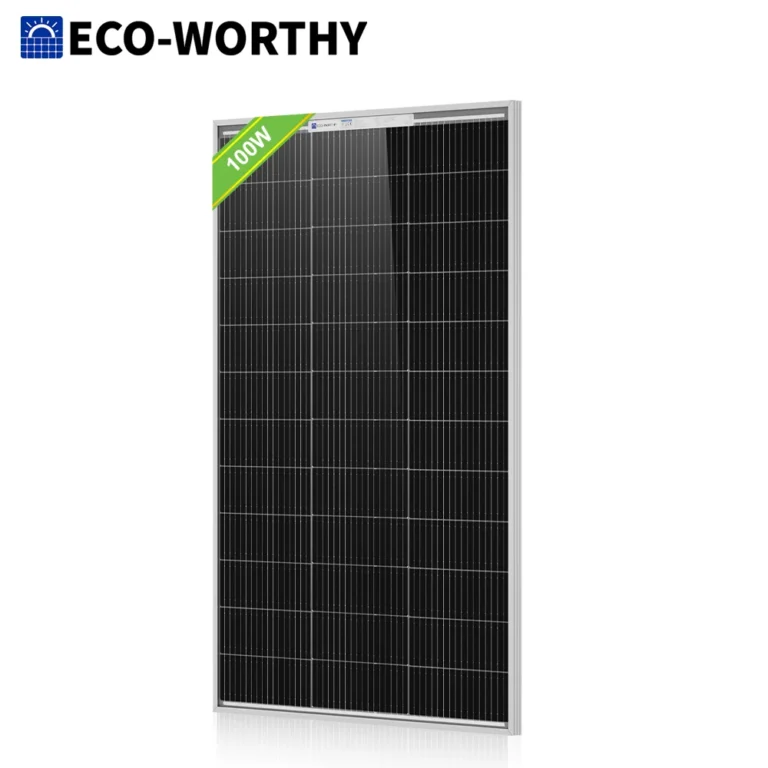
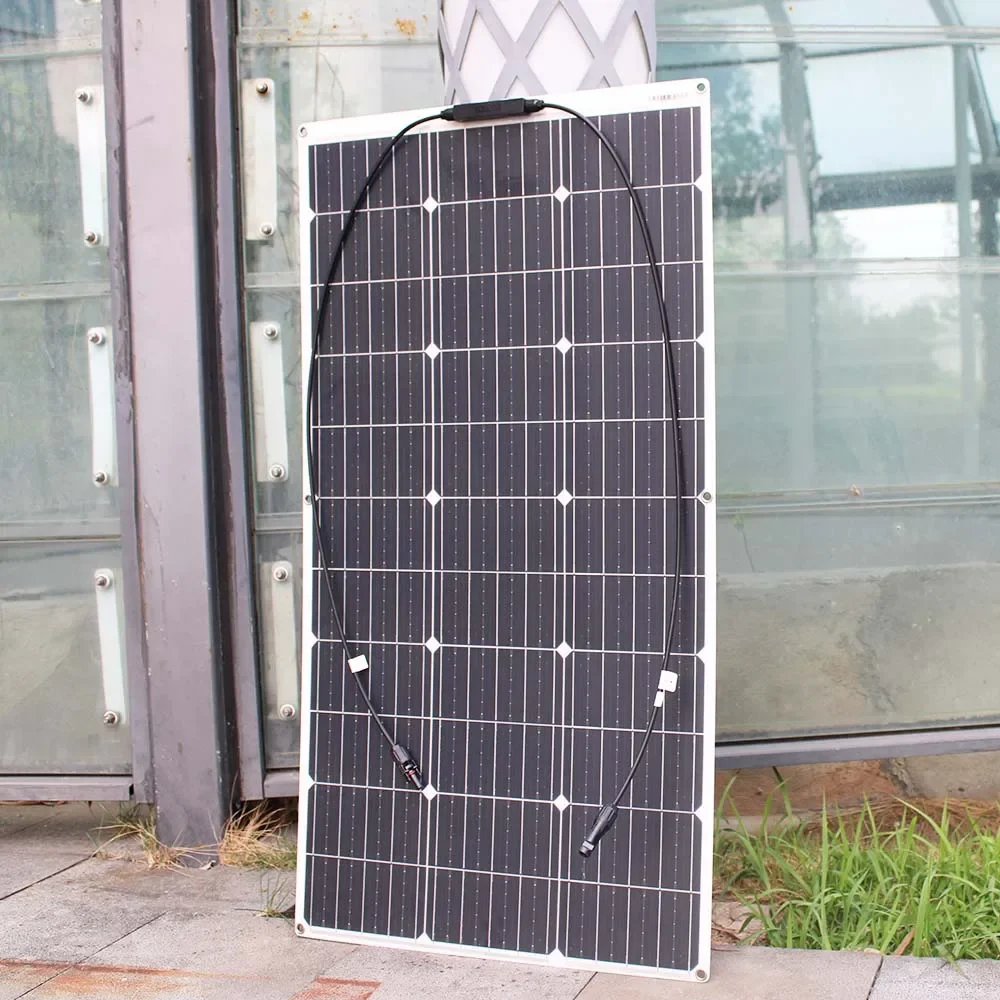
The panel in our example uses monocrystalline silicon cells, 33 of them, with an efficiency of about 21.8% listed in the product details. Monocrystalline is a common choice for small panels because it makes good use of limited space. Higher efficiency means more power from a smaller area, which is exactly what you want on a crowded roof.
Treat efficiency as one number among several. A slightly lower figure on a bigger panel can still beat a higher figure on a tiny one. What matters most is the total watts you can fit on the surface you have, and how well the panel handles real conditions.
Size and where it will mount
The listing gives the size as about 970 x 530 mm, and about 5 kg boxed. That is a little under a metre long and roughly half a metre wide. Before you buy, measure your roof or deck and mark out the footprint with masking tape. Leave a margin around the edges for cables, and keep clear of vents, hatches, aerials and anything that opens.
Think about how you will fix it. Many people use a strong outdoor adhesive made for this purpose, others use fasteners through the corner holes where provided. Check your surface type first. Some roofs should not be drilled, and some adhesives do not bond well to certain paints or plastics. Clean the surface well and follow the adhesive maker’s instructions.
Waterproof is not the same as maintenance-free
The listing describes the panel as waterproof for outdoor use, which is what you want for a boat deck or a van roof. Still, give it a quick look every few months. Check that the cable entry is sealed, that the edges are not lifting, and that no scratches or cracks have appeared.
Clean the surface with water and a soft cloth. Avoid harsh scrapers or strong cleaners. Dust, salt spray and bird droppings can cut output noticeably, so a regular wipe-down is one of the cheapest ways to keep the panel working well. Flexible panels are also easier to scratch than glass ones, so be gentle when you walk near them.
Match the panel to your battery and controller
The product is designed for 12V battery charging. That means it suits the 12V systems found in many vans, boats and caravans. A solar panel should not usually be wired straight to a battery without a charge controller, because the controller manages the charging and protects the battery from overcharge. Check the product page for what is included and plan to add a controller if you need one.
Pick a controller rated for at least the panel’s current, and use cable of a suitable thickness so you do not lose power along the run. Keep cable runs short, protect them from sharp edges, and fit a fuse as the wiring guidance for your battery type recommends. If you are unsure, ask a qualified installer, especially for anything that stays permanently wired.
Placement, shade and angle
Shade is the biggest enemy of any solar panel. Even a small shadow from an aerial, a roof rack or a tree branch can cut the output of a whole panel, because the cells are wired in series. Park or place your panel where it sees open sky for as many hours as possible.
Flexible panels usually lie flat, so you give up the chance to tilt them toward the sun. Make up for that by choosing a spot with good exposure, and by parking so the panel faces the sun in the middle of the day if you can. Heat also trims output, so a small air gap under the panel, where the design allows it, can help.
Related reading and where to look next
If you are building a bigger off-grid setup, our guide to portable power stations explains how to size storage for your loads. You can also browse our Fitness & Outdoors category for other gear, and the US store for items that ship from a US warehouse to US addresses.
The bottom line on flexible solar panel
A flexible panel makes sense when the surface curves, space is tight or weight matters. Check the power rating against your real loads, measure the mounting area, plan a charge controller, and keep the panel clean and unshaded. The 100W flexible solar panel on our listing is a 12V, monocrystalline, waterproof option sized at about 970 x 530 mm, which suits vans, boats and cabin roofs.
For independent guidance on solar basics, see the U.S. Department of Energy solar guidance.
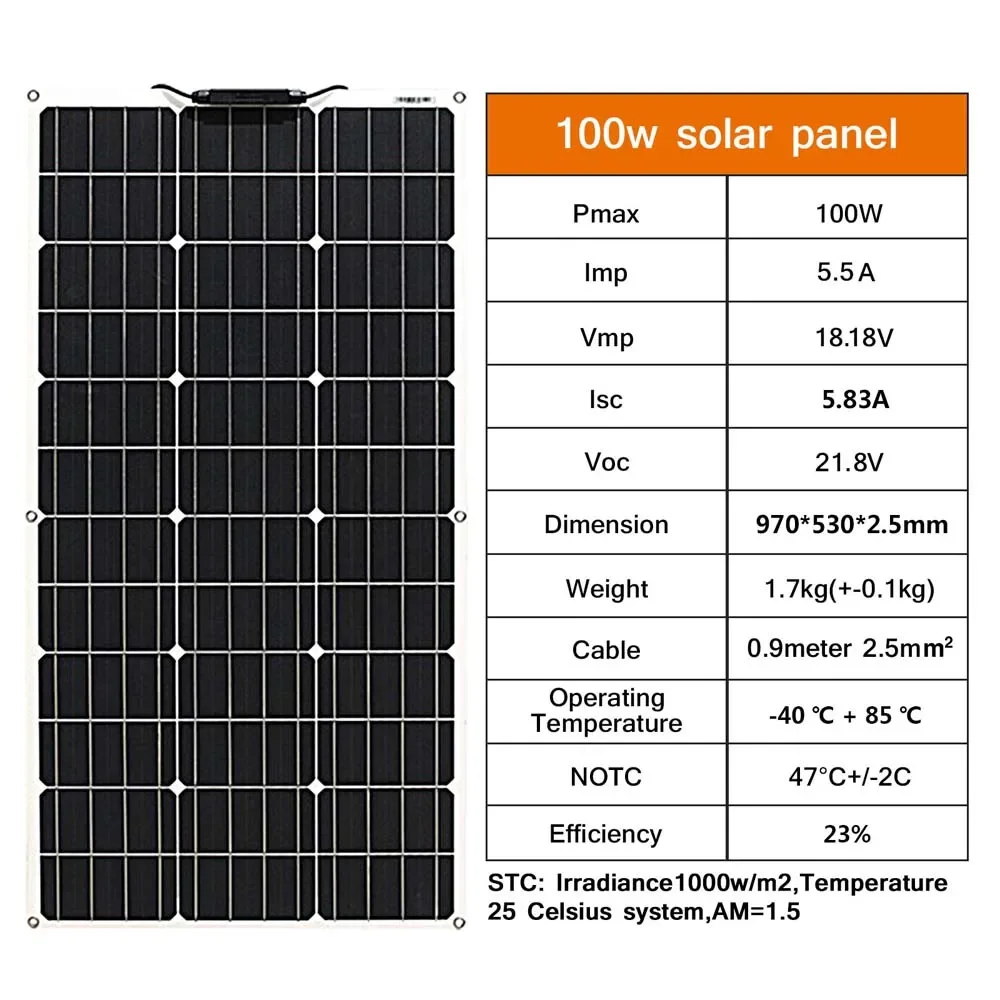
100W Flexible Solar Panel, 12V Monocrystalline, Waterproof
A bendable 100W monocrystalline panel for 12V battery charging, waterproof and about 970 x 530 mm.
$79.99
View productSubmit Your Story
Where would you mount a flexible panel, and what would you power with it? Share it through our contact page and we may feature it in a future article.
How This Article Was Created
This article was written from the product details on our listing and widely known buying considerations for solar panels. It contains no unsourced statistics, and we only describe features shown on the product page. Please check the page for current options and prices. This item ships from a US warehouse to US addresses only.